


Is flexible core copper cable suitable for low - voltage applications?
As a seasoned supplier of solid or flexible core copper cables, I've witnessed firsthand the evolving demands of the electrical industry, especially in low - voltage applications. The question of whether flexible core copper cable is suitable for low - voltage scenarios is one that merits in - depth exploration.
Advantages of Flexible Core Copper Cables in Low - Voltage Applications
Excellent Conductivity
Copper is renowned for its high electrical conductivity. In low - voltage applications, where minimizing power loss is crucial, the superior conductivity of copper ensures that electricity can flow efficiently through the cable. Flexible core copper cables, composed of multiple thin copper strands, maintain this high - conductivity characteristic. The numerous strands provide a large surface area for electron flow, reducing resistance and thus minimizing heat generation. This is particularly beneficial in low - voltage systems where even small amounts of power loss can have a significant impact on overall efficiency. For instance, in a low - voltage lighting system, the use of flexible core copper cables can ensure that the lights receive the required power with minimal energy wastage, resulting in brighter illumination and lower energy costs.
Flexibility and Ease of Installation
One of the most significant advantages of flexible core copper cables is their flexibility. Unlike solid core cables, which are rigid and can be difficult to bend and route, flexible core cables can be easily maneuvered around obstacles, through tight spaces, and into complex electrical installations. This makes them ideal for low - voltage applications in residential, commercial, and industrial settings. In a home electrical installation, for example, flexible core copper cables can be effortlessly snaked through walls, floors, and ceilings to connect various electrical devices such as switches, sockets, and appliances. The ease of installation not only saves time and labor costs but also reduces the risk of cable damage during the installation process.

Resistance to Vibration and Movement
Low - voltage applications often involve equipment that is subject to vibration or movement. Flexible core copper cables are well - suited to such environments because their multiple strands can withstand mechanical stress better than solid core cables. In machinery or automotive electrical systems, where vibrations are common, flexible core cables can maintain their integrity and electrical performance over time. The flexibility of the cable allows it to absorb and dissipate the energy from vibrations, preventing the cable from breaking or developing faults. This reliability is essential in low - voltage applications where system downtime can be costly and disruptive.
Durability and Longevity
Copper is a highly durable material that resists corrosion and oxidation. Flexible core copper cables, when properly installed and maintained, can have a long service life. In low - voltage applications, this durability is a significant advantage as it reduces the need for frequent cable replacements. For example, in outdoor low - voltage lighting systems, the cables are exposed to various environmental factors such as moisture, sunlight, and temperature changes. Flexible core copper cables can withstand these conditions without significant degradation, ensuring reliable operation for many years.
Considerations and Limitations
Cost
One of the main drawbacks of flexible core copper cables is their relatively high cost compared to other types of cables, such as aluminum cables. The cost of copper is influenced by market prices, which can fluctuate significantly. In large - scale low - voltage projects, the higher cost of flexible core copper cables can be a deterrent. However, it's important to consider the long - term benefits of using copper cables, such as their energy efficiency, durability, and reliability. In many cases, the savings in energy costs and reduced maintenance requirements over the life of the cable can offset the initial higher investment.
Ampacity and Current - Carrying Capacity
While flexible core copper cables have excellent conductivity, their ampacity (current - carrying capacity) may be slightly lower than that of solid core copper cables of the same size. This is because the multiple strands in a flexible cable have some air gaps between them, which can reduce the effective cross - sectional area for current flow. In low - voltage applications with high current demands, it's crucial to select the appropriate cable size to ensure that the cable can safely carry the required current without overheating. Electrical engineers and installers need to carefully calculate the ampacity requirements based on the specific application and choose the right flexible core copper cable accordingly.
Specific Low - Voltage Applications
Residential Electrical Systems
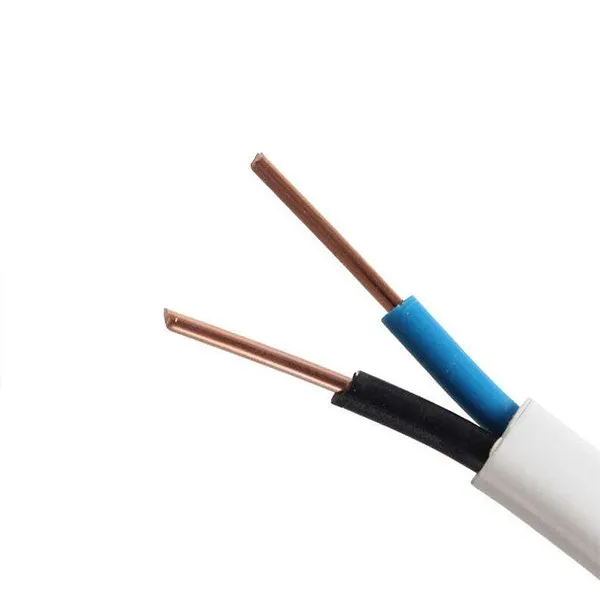
In residential settings, flexible core copper cables are widely used for low - voltage applications such as lighting, power outlets, and small appliances. The flexibility of the cables makes them easy to install in the confined spaces of a home, and their high conductivity ensures efficient power delivery. For example, Fire - Resistant Copper Conductor PVC Insulation Home Electrical Cable is a popular choice for home electrical installations. It provides both the flexibility and safety features required for a reliable and secure electrical system.
Commercial Buildings
Commercial buildings also rely on flexible core copper cables for low - voltage applications. In offices, retail stores, and restaurants, these cables are used to connect lighting fixtures, security systems, and communication equipment. The ability of flexible core cables to be easily routed through the building's infrastructure makes them ideal for retrofitting existing buildings or installing new electrical systems. Twin Copper Core Sheath Earth Cable is often used in commercial settings where a reliable and safe electrical connection is required.
Industrial Automation
In industrial automation, low - voltage control systems play a crucial role in the operation of machinery and equipment. Flexible core copper cables are used to connect sensors, actuators, and control panels. The cables' resistance to vibration and movement makes them suitable for the harsh industrial environment. Additionally, their flexibility allows for easy installation and maintenance in complex industrial machinery.
Conclusion
In conclusion, flexible core copper cables are generally well - suited for low - voltage applications. Their excellent conductivity, flexibility, resistance to vibration, and durability make them a reliable choice for a wide range of electrical systems. While there are some considerations such as cost and ampacity, the benefits often outweigh the drawbacks. Whether it's a residential, commercial, or industrial low - voltage application, flexible core copper cables can provide the performance and reliability needed.
If you're in the market for high - quality solid or flexible core copper cables for your low - voltage applications, I encourage you to reach out to discuss your specific requirements. We have a wide range of products to meet your needs, and our team of experts can provide you with professional advice and support. Let's work together to find the best cable solution for your project.
References
- Grover, A. K. (2014). Underground Cables: Cables for Power Transmission and Distribution. New Age International.
- Neher, J. H., & McGrath, M. H. (1957). A method of calculating the temperature rise and load capability of cable systems. Transactions of the American Institute of Electrical Engineers, Part III: Power Apparatus and Systems, 76(3), 752 - 772.
- National Electrical Code (NEC). (2020). National Fire Protection Association.


