


Hey everyone! As a household electrical wire supplier, I often get asked about the differences between copper and aluminum household electrical wires. In this blog post, I'm gonna break down the key points for you so you can make an informed decision when it comes to choosing the right wire for your home.
Conductivity
One of the most important factors to consider when comparing copper and aluminum wires is conductivity. Copper is an excellent conductor of electricity. It has a lower resistivity compared to aluminum, which means it allows electric current to flow more easily through it. This results in less energy loss during transmission. For instance, if you're using a copper wire to power a high - wattage appliance, less electricity will be wasted as heat, making your electrical system more efficient.
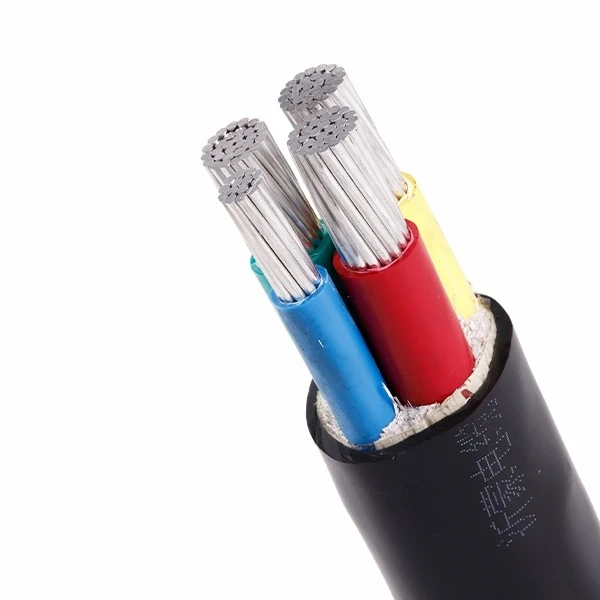
On the other hand, aluminum has about 61% of the conductivity of copper. So, for the same level of electrical current, an aluminum wire needs to be larger in diameter than a copper wire to achieve the same conductivity. When we're dealing with household electrical wiring, this difference can be significant. In areas where space is limited within the electrical boxes, copper wires might be a better choice since they can handle the same amount of current in a smaller size.
Cost
Cost is always a major consideration for homeowners. Generally, aluminum is much cheaper than copper. The reason for this is simple - aluminum is more abundant in the earth's crust than copper, and the extraction and production processes for aluminum are also less expensive. If you're on a tight budget for your home electrical project, aluminum wires can seem like an attractive option.
However, you need to be aware of some long - term cost implications. Copper wires have a longer lifespan and are less likely to develop problems over time. Aluminum wires can be more prone to corrosion and oxidation, which can lead to increased resistance and potential electrical issues. Fixing these problems can end up costing more in the long run, so it's not just about the upfront cost.
Durability
Copper is a very durable metal. It is resistant to corrosion and oxidation, especially when it's properly insulated. This means that copper household electrical wires can last for decades without significant degradation. They can withstand a wide range of environmental conditions, from high humidity to temperature variations.
Aluminum is more reactive than copper. It forms a layer of oxide on its surface when exposed to air. This oxide layer can increase the resistance of the wire over time, leading to overheating and potential fire hazards. Also, aluminum is a softer metal than copper. During installation, if the connections are not made correctly, the aluminum wire can be easily damaged, which further increases the risk of electrical problems.
Installation
Installing copper and aluminum wires also has its differences. Copper wires are stiffer and less flexible than aluminum wires. This might seem like a disadvantage at first, but it actually makes them easier to support and route in some cases. They hold their shape better, which can be useful during the installation process, especially in complex electrical layouts.
Aluminum wires are more flexible, which can be an advantage when threading them through tight spaces. However, because they are softer, they require special connectors and installation techniques. Using the wrong connectors with aluminum wires can lead to poor connections, increased resistance, and overheating. So, if you choose aluminum wires, it's crucial to hire an experienced electrician who knows how to install them properly.
Safety
Safety is of utmost importance when it comes to household electrical wiring. Copper wires are generally considered safer because of their lower resistance and better durability. As mentioned earlier, they are less likely to overheat, which reduces the risk of electrical fires.
Aluminum wires, if not installed and maintained correctly, can pose a safety hazard. The increased resistance due to corrosion and improper connections can cause the wires to heat up. This heat can potentially ignite nearby flammable materials. In the past, there have been cases of house fires attributed to faulty aluminum wiring. So, if you do have aluminum wiring in your home, it's a good idea to have it inspected regularly by a qualified electrician.
Our Product Offerings
As a household electrical wire supplier, we offer a variety of copper and aluminum wires to meet different needs. If you're interested in copper wires, we have the Twin Copper Core Sheath Earth Cable. This cable is designed for reliable power transmission and provides an extra layer of safety with its earth cable.
We also have the Copper PVC Insulation Single Core Electrical Wire. The PVC insulation provides excellent protection against moisture and other environmental factors, ensuring the longevity of the wire.
For those who might be considering a different type of cable, we have the 2 Core Shielded Twisted Pair Cable. This cable is suitable for applications where signal interference needs to be minimized.

Conclusion
In conclusion, both copper and aluminum household electrical wires have their pros and cons. Copper offers better conductivity, durability, and safety, but it comes at a higher cost. Aluminum is more affordable and flexible, but it requires special attention during installation and maintenance to ensure safety.
If you're still unsure about which type of wire is right for your home, or if you're interested in our product offerings, don't hesitate to contact us for a consultation. We're here to help you make the best decision for your electrical wiring needs. Whether you're building a new home or renovating an existing one, choosing the right wire is essential for a safe and efficient electrical system.
References
- National Electric Code (NEC)
- Electrical Safety Foundation International (ESFI)
- Institute of Electrical and Electronics Engineers (IEEE)


