Can a power cable affect the performance of my device?
As a power cable supplier, I've encountered numerous inquiries from customers regarding the impact of power cables on device performance. It's a question that often goes overlooked, yet it holds significant importance in ensuring the optimal functioning of electronic devices. In this blog post, I'll delve into the science behind power cables and explore how they can influence the performance of your devices.
Understanding the Basics of Power Cables
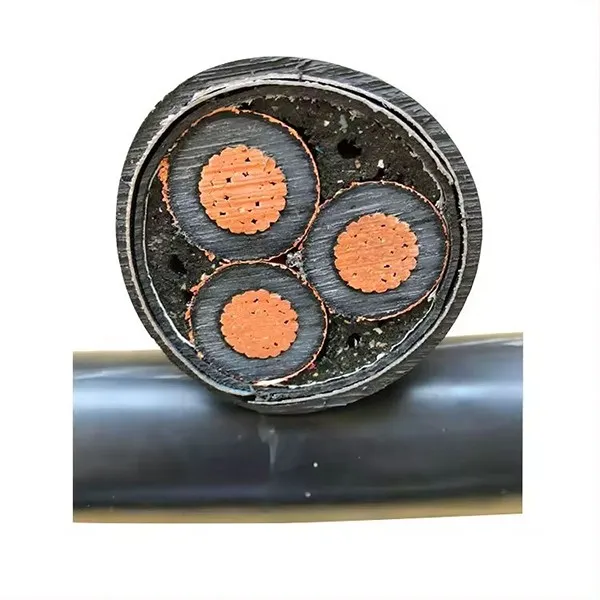
Before we discuss how power cables can affect device performance, let's first understand the basic components of a power cable. A typical power cable consists of conductors, insulation, and a protective sheath. The conductors are responsible for carrying the electrical current from the power source to the device, while the insulation prevents the current from leaking and protects the conductors from damage. The protective sheath provides an additional layer of protection against environmental factors such as moisture, heat, and physical damage.
The quality of these components can vary significantly depending on the manufacturing process and the materials used. High-quality power cables are typically made with pure copper conductors, which have excellent electrical conductivity and are less prone to corrosion. The insulation is usually made of materials such as PVC or XLPE, which provide good electrical insulation and mechanical strength. The protective sheath is designed to be durable and resistant to abrasion, chemicals, and UV radiation.

How Power Cables Can Affect Device Performance
Now that we understand the basic components of a power cable, let's explore how they can affect the performance of your devices. Here are some of the key ways in which power cables can impact device performance:
Voltage Drop
One of the most significant ways in which power cables can affect device performance is through voltage drop. Voltage drop occurs when the electrical current flowing through the cable encounters resistance, which causes a decrease in voltage. The amount of voltage drop depends on several factors, including the length of the cable, the cross-sectional area of the conductors, and the amount of current flowing through the cable.
When the voltage drop is too high, it can cause the device to receive less power than it needs, which can result in reduced performance or even malfunction. For example, if a computer is not receiving enough power due to a high voltage drop in the power cable, it may experience slow performance, crashes, or other issues. To prevent voltage drop, it's important to use power cables with the appropriate gauge (cross-sectional area) for the amount of current being carried.
Electromagnetic Interference (EMI)
Another way in which power cables can affect device performance is through electromagnetic interference (EMI). EMI is a type of interference that occurs when electrical currents generate electromagnetic fields, which can interfere with the operation of other electronic devices. Power cables are a common source of EMI, especially if they are not properly shielded.
When EMI is present, it can cause the device to experience noise, interference, or other issues. For example, if a speaker is being affected by EMI from a power cable, it may produce a buzzing or humming sound. To prevent EMI, it's important to use power cables that are properly shielded. Shielded power cables have an additional layer of conductive material around the conductors, which helps to block the electromagnetic fields and reduce the amount of interference.
Power Surges
Power surges are sudden increases in voltage that can occur due to a variety of factors, such as lightning strikes, power outages, or electrical malfunctions. Power surges can cause significant damage to electronic devices, especially if they are not protected by a surge protector.
Power cables can play a role in protecting devices from power surges by providing a path for the excess voltage to be diverted away from the device. Some power cables are designed with built-in surge protection, which can help to prevent damage to the device in the event of a power surge. However, it's important to note that not all power cables have surge protection, so it's important to check the specifications of the cable before purchasing it.
Heat Generation
Power cables can also generate heat when electrical current flows through them. The amount of heat generated depends on several factors, including the amount of current flowing through the cable, the resistance of the conductors, and the ambient temperature.
When the heat generated by the power cable is too high, it can cause the insulation to degrade, which can lead to electrical shorts or other issues. In addition, excessive heat can also cause the device to overheat, which can reduce its performance or even cause it to malfunction. To prevent heat generation, it's important to use power cables with the appropriate gauge for the amount of current being carried and to ensure that the cables are properly ventilated.
Choosing the Right Power Cable for Your Device
Now that we understand how power cables can affect device performance, let's explore how to choose the right power cable for your device. Here are some of the key factors to consider when choosing a power cable:
Cable Length
The length of the power cable is an important factor to consider, as it can affect the amount of voltage drop and the amount of heat generated. In general, it's best to use the shortest cable possible to minimize voltage drop and heat generation. However, if you need a longer cable, it's important to choose a cable with a larger gauge to compensate for the increased resistance.
Cable Gauge
The gauge of the power cable refers to the cross-sectional area of the conductors. The larger the gauge, the lower the resistance and the less voltage drop. When choosing a power cable, it's important to select a cable with the appropriate gauge for the amount of current being carried. You can usually find the recommended cable gauge in the device's user manual or on the manufacturer's website.
Insulation and Sheath Material
The insulation and sheath material of the power cable are also important factors to consider, as they can affect the cable's durability, flexibility, and resistance to environmental factors. As mentioned earlier, high-quality power cables are typically made with PVC or XLPE insulation, which provide good electrical insulation and mechanical strength. The protective sheath is usually made of materials such as PVC or rubber, which are durable and resistant to abrasion, chemicals, and UV radiation.
Shielding
If you are using the power cable in an environment where there is a lot of electromagnetic interference, it's important to choose a cable that is properly shielded. Shielded power cables have an additional layer of conductive material around the conductors, which helps to block the electromagnetic fields and reduce the amount of interference.
Surge Protection
If you are concerned about power surges, it's important to choose a power cable that has built-in surge protection. Some power cables are designed with surge protectors built into the plug or the cable itself, which can help to prevent damage to the device in the event of a power surge.
Our Power Cable Products
As a power cable supplier, we offer a wide range of high-quality power cables to meet the needs of our customers. Our products include Low Voltage XLPE Insulated PVC Sheathed Cable, Low Smoke Halogen Free Multicore XLPE Cable, and Irradiated Halogen-free Low Smoke Flame Retardant Wire.
Our power cables are made with pure copper conductors, which have excellent electrical conductivity and are less prone to corrosion. The insulation is made of high-quality materials such as PVC or XLPE, which provide good electrical insulation and mechanical strength. The protective sheath is designed to be durable and resistant to abrasion, chemicals, and UV radiation.
In addition, our power cables are available in a variety of lengths, gauges, and configurations to meet the specific needs of our customers. We also offer custom cable solutions for customers who require specialized power cables for their applications.
Contact Us for Power Cable Procurement
If you are interested in purchasing high-quality power cables for your devices, we invite you to contact us for procurement and negotiation. Our team of experts is available to assist you in selecting the right power cable for your needs and to provide you with competitive pricing and excellent customer service.
We understand the importance of reliable power cables in ensuring the optimal performance of your devices, and we are committed to providing our customers with the highest quality products and services. Whether you are a small business or a large corporation, we have the expertise and resources to meet your power cable needs.
References
- Grob, Bernard. "Basic Electronics." McGraw-Hill Education, 2007.
- Nilsson, James W., and Susan A. Riedel. "Electric Circuits." Pearson, 2014.
- IEEE Standards Association. "IEEE Standards for Power Cables." IEEE, 2021.