


Hey there! As a household electrical wire supplier, I often get asked this question: "Can I use household electrical wire for a water heater?" Well, let's dig into this topic and find out the ins and outs.
First off, we need to understand the basic requirements of a water heater. Water heaters are high - power appliances. They typically draw a significant amount of current to heat the water quickly. For instance, an average electric water heater might have a power rating of around 3000 - 5500 watts. To figure out the current, we use the formula (I=\frac{P}{V}), where (P) is power and (V) is voltage. In a standard household electrical system with a voltage of 120V or 240V (depending on the country and the type of water heater), a 4500 - watt water heater operating at 240V will draw about (I = \frac{4500}{240}=18.75) amps.
Now, let's talk about household electrical wires. There are different types of household electrical wires available in the market. We've got Multi Core Electrical Cable, which is great for multiple - circuit applications. It can handle different electrical loads simultaneously. Then there's A Large Number Of Cheap Thin Electrical Wire, which might seem like a budget - friendly option, but we'll get to the drawbacks of that later. And also, 2 Core Shielded Twisted Pair Cable, which is often used for specific low - interference applications.
The most important factor when considering using a household electrical wire for a water heater is the wire's ampacity. Ampacity is the maximum amount of electrical current a wire can safely carry. If you use a wire with an ampacity lower than the current drawn by the water heater, it can lead to overheating. Overheating is a serious issue as it can damage the insulation of the wire, which in turn can cause short - circuits and even start a fire.
For a water heater, you generally need a wire with a relatively high ampacity. For example, a 4500 - watt water heater operating at 240V should be connected with a wire that can handle at least 20 amps. A common wire size used for such applications is 10 - gauge copper wire, which has an ampacity of around 30 amps at normal operating temperatures. This provides a safety margin, ensuring that the wire doesn't overheat under normal use.
Let's take a look at the cheap thin electrical wires. These wires usually have a lower ampacity. They might be suitable for low - power devices like lamps or small fans, but definitely not for a high - power appliance like a water heater. Using a thin wire for a water heater is like trying to push a large amount of water through a small pipe. The wire will heat up quickly, and the insulation might start to melt. This is not only a fire hazard but can also void the warranty of your water heater.
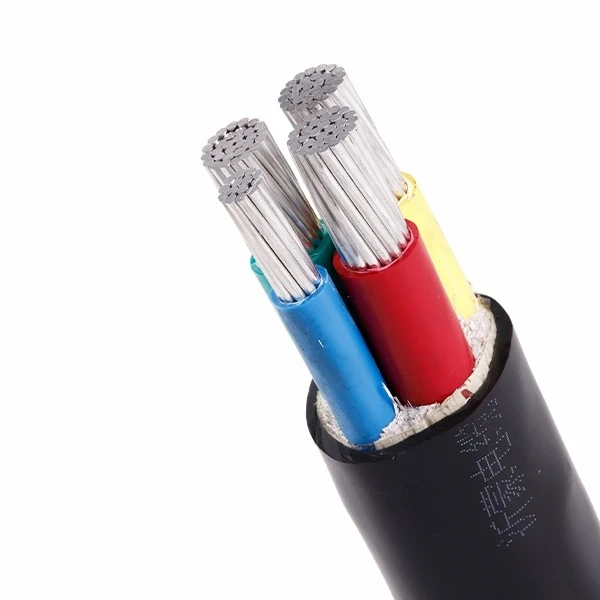
On the other hand, multi - core electrical cables can be a good option if they have the right ampacity. They are designed to handle multiple circuits, so if you can find a multi - core cable with a high enough ampacity for your water heater, it can work well. The advantage of a multi - core cable is that it can be more flexible in terms of installation, especially in situations where you need to run multiple wires in the same conduit.
The 2 - core shielded twisted pair cable is mainly used for applications where electromagnetic interference needs to be minimized, such as in some communication or low - voltage control circuits. Although it might have a decent insulation and construction, it's not typically designed for high - power applications like a water heater. The ampacity of this type of cable is usually on the lower side, so it's not a good choice for a water heater connection.

Another thing to consider is the length of the wire run. The longer the wire, the more resistance it has. This means that even if you have a wire with the right ampacity for a short run, it might not be sufficient for a long run. As the resistance increases, more power is dissipated as heat, which can cause problems. In such cases, you might need to use a larger - gauge wire to compensate for the increased resistance.
When installing a wire for a water heater, it's also important to follow local electrical codes. These codes are in place to ensure the safety of your home and its occupants. They specify the minimum wire size, the type of insulation, and the proper installation methods. Ignoring these codes can not only lead to safety issues but can also result in fines if you're caught during an inspection.
So, can you use household electrical wire for a water heater? The answer is yes, but only if you choose the right wire. You need to consider the ampacity, the type of wire, the length of the wire run, and local electrical codes. Don't be tempted by cheap thin wires just because they're inexpensive. It's better to invest in a high - quality wire that can handle the load safely.
If you're in the market for a suitable wire for your water heater or any other household electrical needs, we're here to help. We've got a wide range of electrical wires, including the ones I mentioned above. Whether you need a multi - core cable with high ampacity or just some advice on choosing the right wire, feel free to reach out to us. We can assist you in making the right decision to ensure the safety and efficiency of your electrical system.
In conclusion, choosing the right electrical wire for your water heater is crucial. It's not something to be taken lightly. By understanding the requirements of your water heater and the capabilities of different types of household electrical wires, you can make an informed decision. And remember, safety should always be your top priority when dealing with electricity. If you have any questions or need more information, don't hesitate to contact us. We're more than happy to help you with your electrical wire needs.
References:
- "National Electrical Code Handbook"
- Manufacturer's specifications for water heaters and electrical wires


