


Hey there! As a supplier of copper tube terminal rings, I often get asked about how to install these little guys without using special tools. Well, you're in luck because I'm gonna walk you through the whole process step by step.
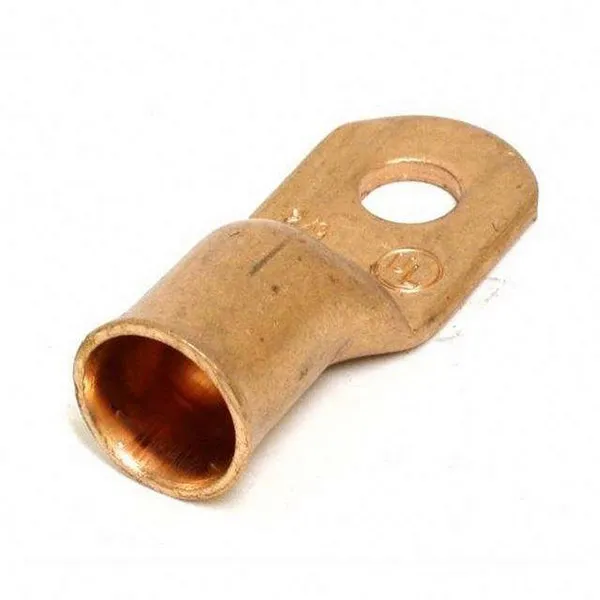
First off, let's talk a bit about what copper tube terminal rings are. They're super important in electrical connections. They help to secure wires to various electrical components, making sure the electricity flows smoothly and safely. And if you're in the market for some high - quality ones, you can check out our Tinned Plated Copper Aluminum Terminal Wire Copper Lugs. They're made of top - notch materials and are built to last.
So, you've got your copper tube terminal ring, but no special tools. No problem! The first thing you'll need to do is prepare the wire. You want to strip the insulation off the end of the wire. You can use a utility knife if you don't have a wire stripper. Just be really careful not to cut into the actual wire. Make a small slit in the insulation and then peel it back. Usually, you'll want to expose about half an inch to an inch of the bare wire, depending on the size of the terminal ring.
Once the wire is stripped, it's time to insert it into the terminal ring. The hole in the terminal ring should be just the right size for your wire. If it's a bit too big, you might have a loose connection, which can lead to overheating and other problems. If it's too small, you'll have a hard time getting the wire in. But don't force it! You can try using a pair of pliers to gently widen the hole if it's a bit tight.
Now, here's the tricky part: securing the wire in the terminal ring without special crimping tools. One method you can use is the hammer and block method. Find a flat, hard surface like a block of wood or a metal plate. Place the terminal ring with the wire inserted on this surface. Then, take a hammer and gently tap around the edge of the terminal ring. You want to make sure the metal of the terminal ring is squeezing tightly around the wire. But be careful not to hit it too hard, or you might damage the terminal ring or the wire.
Another option is to use a pair of pliers. Hold the terminal ring with the wire in it firmly with the pliers. Then, squeeze the pliers tightly. You can move the pliers around the ring to make sure you're applying pressure evenly. This method takes a bit of practice, but it can work well if you do it right.
After you've secured the wire in the terminal ring, you should check the connection. Give the wire a gentle tug. It shouldn't come out easily. If it does, you need to go back and try again. You can also use a multimeter to check the continuity of the connection. If there's good continuity, it means the electricity can flow through the connection properly.
Now, let's talk about some other related products. If you're doing a lot of electrical work, you might want to consider getting a Copper Crimp Insulated Electric Wire Ferrules Kit. These are great for making multiple connections quickly and easily. And if you're working on a circuit, you might need an Air Switch Circuit Breaker to protect your electrical system from overloads.
It's important to note that while installing a copper tube terminal ring without special tools is possible, using the right tools will give you a much more reliable and professional - looking connection. Special crimping tools are designed to apply the right amount of pressure evenly around the terminal ring, which ensures a good electrical connection and a long - lasting joint.
But if you're in a pinch and don't have the tools on hand, the methods I've described should work for you. Just take your time, be careful, and follow the steps.
If you're interested in purchasing copper tube terminal rings or any of our other electrical products, we'd love to hear from you. Whether you're a DIY enthusiast or a professional electrician, we've got the products you need at great prices. Reach out to us for more information and to start a purchase negotiation. We're here to help you with all your electrical connection needs.
References:

- General knowledge of electrical installation and copper tube terminal rings from years of experience in the industry.
- Electrical safety guidelines and best practices for making electrical connections.


