


Hey there! If you're living in a mobile home and looking to install household electrical wire, you've come to the right place. I'm a supplier of household electrical wire, and I've got some tips and tricks to share with you to make this process as smooth as possible.
Planning Your Electrical Installation
Before you start any wiring work, it's crucial to have a solid plan. First, figure out what electrical appliances and devices you'll be using in your mobile home. Make a list of everything, from lights and outlets to big appliances like refrigerators and air conditioners. This will help you determine how much power you need and where you should place your outlets and switches.
Think about the layout of your mobile home. You want to make sure that the wiring is easily accessible for future maintenance and doesn't interfere with the structure of the home. Also, consider any local electrical codes and regulations. These rules are in place to keep you safe, so it's important to follow them. You can usually find this information at your local building department or online.
Choosing the Right Electrical Wire
Now, let's talk about the different types of electrical wire available. As a supplier, I can tell you that there are a few options that are great for mobile homes.
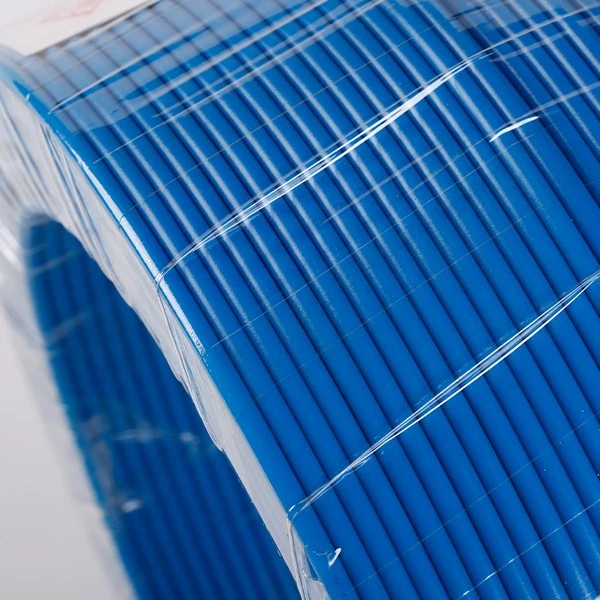
One option is the A Large Number Of Cheap Thin Electrical Wire. This type of wire is affordable and can be used for light-duty applications like lighting circuits. It's thin, which makes it easy to work with and route through tight spaces.
If you need a more robust option for your outlets or appliances, the 2 Core Shielded Twisted Pair Cable is a great choice. The shielding helps protect the wire from interference, and the twisted pair design reduces electrical noise. This cable is suitable for powering devices that require a stable electrical supply.
For areas where fire safety is a concern, the Flame Retardant Stranded Copper Core PVC Insulated Cable is the way to go. The flame retardant properties mean that it's less likely to catch fire and spread flames in case of an electrical fault. The stranded copper core provides good conductivity, and the PVC insulation protects the wire from damage.
When choosing the wire, pay attention to the gauge. The gauge of the wire determines how much current it can carry. For example, a lower gauge number means a thicker wire that can handle more current. Make sure to choose the right gauge for your specific application to avoid overheating and electrical problems.
Tools You'll Need
To install the electrical wire in your mobile home, you'll need a few tools. Here's a basic list:
- Wire strippers: These are used to remove the insulation from the wire.
- Pliers: You'll need them for bending and cutting the wire.
- Screwdrivers: Both flathead and Phillips head screwdrivers are necessary for installing outlets, switches, and junction boxes.
- Drill: You might need to drill holes in the walls or floors to run the wire through.
- Fish tape: This is useful for pulling the wire through walls and ceilings.
- Voltage tester: It's important to test the wire for voltage before working on it to ensure your safety.
Installing the Electrical Wire
Once you have your plan, the right wire, and the necessary tools, it's time to start installing the wire.
First, turn off the power to the area where you'll be working. This is a crucial safety step. You can do this by switching off the corresponding circuit breaker in your electrical panel.
Start by running the wire from the electrical panel to the first outlet or switch location. Use the fish tape to pull the wire through the walls or ceilings. Make sure to leave enough slack at each end for connections.
When you reach the outlet or switch location, use the wire strippers to remove about 3/4 inch of insulation from the end of the wire. Connect the wire to the outlet or switch according to the manufacturer's instructions. Usually, you'll connect the black wire (hot) to the brass terminal, the white wire (neutral) to the silver terminal, and the green or bare wire (ground) to the green terminal.
Repeat this process for all the outlets and switches in your mobile home. Make sure to secure the wire along the way using wire staples or clips. This will prevent the wire from moving around and getting damaged.
After you've connected all the outlets and switches, it's time to test the circuit. Turn the power back on at the electrical panel and use the voltage tester to check if the outlets and switches are working properly. If everything is working fine, you're good to go!
Safety Tips
Working with electrical wire can be dangerous, so it's important to follow these safety tips:

- Always turn off the power before working on the wire.
- Use insulated tools to avoid electrical shock.
- Wear safety glasses and gloves to protect yourself from any potential hazards.
- Don't overload the circuits. Make sure you're not connecting too many devices to one circuit.
- If you're not comfortable doing the wiring yourself, it's best to hire a professional electrician.
Contact for Purchase and Consultation
If you're interested in purchasing any of the electrical wires I mentioned or need more advice on electrical wire installation in your mobile home, feel free to reach out. We're here to help you with all your electrical wire needs. Whether you have questions about the right type of wire for your project or need assistance with the installation process, our team of experts is ready to assist you.
References
- National Electrical Code (NEC)
- Local building department regulations
- Electrical wiring manuals and guides


