Proper grounding of mineral insulated (MI) cable is a critical aspect of electrical system installation. As a leading supplier of MI cables, I understand the importance of this process and its impact on the safety and performance of electrical systems. In this blog, I will share comprehensive insights on how to properly ground MI cable, including the reasons for grounding, the grounding process, and best practices.
Why Ground Mineral Insulated Cable?
Grounding MI cable serves several essential purposes. Firstly, it provides a low - resistance path for fault currents to flow back to the source. In the event of a short - circuit or other electrical fault, the fault current can quickly travel through the grounding system, triggering protective devices such as circuit breakers or fuses. This helps to prevent electrical fires and damage to equipment.
Secondly, grounding helps to stabilize the voltage in the electrical system. By connecting the cable's metallic sheath to the ground, it ensures that the potential difference between the cable and the surrounding environment remains within safe limits. This is especially important in areas where there is a risk of electrical interference or lightning strikes.
Finally, grounding protects personnel from electrical shock. If a live conductor comes into contact with the cable's sheath, the fault current will flow through the ground connection, rather than through a person who may touch the cable.
Components of a Mineral Insulated Cable Grounding System
A typical MI cable grounding system consists of several key components:
- Cable Sheath: The metallic sheath of the MI cable, usually made of copper, acts as a conductor for fault currents. It is the first line of defense in the grounding process.
- Grounding Conductor: A separate conductor, often made of copper, is used to connect the cable sheath to the grounding electrode. The size of the grounding conductor should be selected based on the ampacity of the electrical system and the requirements of the relevant electrical code.
- Grounding Electrode: This is a conductive element that is buried in the ground to provide a connection to the earth. Common types of grounding electrodes include ground rods, ground plates, and concrete - encased electrodes.
The Grounding Process
Step 1: Cable Installation
Before grounding the MI cable, it must be installed correctly. The cable should be routed in a way that minimizes the risk of damage, and it should be supported at regular intervals. The cable's sheath should be continuous and free from any cuts or breaks.
Step 2: Connecting the Grounding Conductor
Once the cable is installed, the next step is to connect the grounding conductor to the cable sheath. This can be done using a suitable connector, such as a compression connector or a solder - less terminal. The connection should be tight and secure to ensure good electrical conductivity.
When connecting the grounding conductor, it is important to follow the manufacturer's instructions and the requirements of the electrical code. The grounding conductor should be of the appropriate size and material, and it should be installed in a way that minimizes the risk of mechanical damage.
Step 3: Connecting to the Grounding Electrode
After connecting the grounding conductor to the cable sheath, the next step is to connect it to the grounding electrode. This can be done using a grounding clamp or a similar device. The connection should be made in a way that provides a low - resistance path to the earth.

It is important to ensure that the grounding electrode is installed correctly. The electrode should be buried deep enough in the ground to provide a good connection to the earth, and it should be located in an area where the soil has good electrical conductivity.
Step 4: Testing the Grounding System
Once the grounding system is installed, it should be tested to ensure that it is functioning properly. This can be done using a ground resistance tester. The ground resistance should be measured, and it should be within the limits specified by the electrical code.
If the ground resistance is too high, additional grounding electrodes may need to be installed, or the existing electrodes may need to be improved.
Best Practices for Grounding Mineral Insulated Cable
- Follow Electrical Codes: Always follow the relevant electrical codes and standards when grounding MI cable. These codes are designed to ensure the safety and performance of electrical systems.
- Use Quality Materials: Use high - quality grounding conductors, connectors, and grounding electrodes. This will help to ensure a reliable and long - lasting grounding system.
- Inspect Regularly: Regularly inspect the grounding system for signs of damage or corrosion. Any damaged components should be replaced immediately.
- Document the Installation: Keep detailed records of the grounding system installation, including the type and size of the grounding conductor, the location of the grounding electrodes, and the results of any testing.
Our Mineral Insulated Cable Products
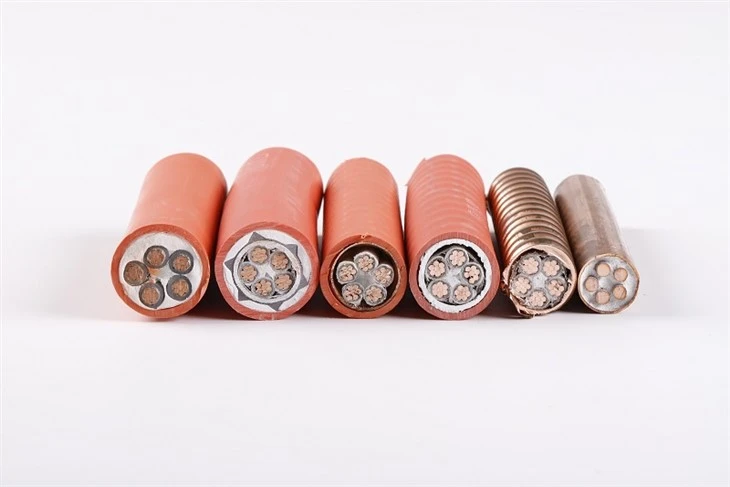
As a supplier of MI cables, we offer a wide range of products to meet the diverse needs of our customers. Our Fireproof Mineral Insulated Power Cables for Light are designed to provide reliable power in lighting applications, even in the event of a fire. These cables are highly resistant to heat and fire, ensuring the safety of your electrical system.
Our Fire - resistant Multi - core Corrugated Copper Jacket Flexible Cable is another popular product. The corrugated copper jacket provides flexibility, making it easy to install in tight spaces, while the fire - resistant properties ensure the cable's performance in high - risk environments.
For applications that require multiple cores, our 4 Core 5 Core Mineral Fireproof Insulated Cable is an excellent choice. These cables offer high - performance insulation and fireproofing, making them suitable for a variety of industrial and commercial applications.
Conclusion
Proper grounding of mineral insulated cable is essential for the safety and performance of electrical systems. By following the steps outlined in this blog and adhering to best practices, you can ensure that your MI cable grounding system is reliable and effective.
If you are interested in purchasing our MI cables or have any questions about grounding, please do not hesitate to contact us. Our team of experts is ready to assist you with your procurement needs and provide you with the technical support you require.
References
- National Electrical Code (NEC)
- International Electrotechnical Commission (IEC) standards related to electrical installations
- Manufacturer's installation and grounding guides for mineral insulated cables