


When it comes to outdoor electrical installations, choosing the right cable is crucial for ensuring safety, reliability, and long - term performance. Mineral insulated cables have gained significant popularity in outdoor applications due to their unique properties. As a mineral insulated cable supplier, I'd like to share some key considerations for using mineral insulated cable outdoors.
1. Environmental Conditions
Outdoor environments expose cables to a wide range of weather conditions. Temperature variations are one of the most significant factors. Mineral insulated cables are known for their excellent thermal performance. They can withstand high temperatures without significant degradation. For example, in hot climates, where the ambient temperature can soar during the day, these cables maintain their integrity and electrical properties. On the other hand, in cold regions, they are also resistant to low - temperature brittleness.
Moisture is another environmental concern. Rain, snow, and humidity can all pose threats to cable performance. Mineral insulated cables have a high level of moisture resistance because of their inorganic insulation material. The insulation, usually magnesium oxide, is non - hygroscopic, which means it does not absorb water. This property protects the conductors from corrosion and short - circuits caused by moisture ingress.
UV radiation is yet another factor to consider. Prolonged exposure to sunlight can cause degradation of cable jackets in some types of cables. Mineral insulated cables often come with a metal jacket, such as copper or stainless steel. These metal jackets provide excellent protection against UV radiation, preventing the cable from deteriorating over time. Our Flexible Copper Jacket Inorganic Mineral Insulated Fire - resistant Cable is a great example of a cable with a durable copper jacket that can withstand UV exposure.
2. Mechanical Protection
Outdoor cables are more likely to be subject to mechanical damage compared to indoor cables. They may be exposed to physical impacts from objects, such as falling branches or vehicles. Mineral insulated cables are well - suited to withstand such mechanical stress. The metal jacket provides a high level of physical protection. For instance, a copper - jacketed mineral insulated cable is tough and can resist abrasion, cutting, and crushing to a certain extent.
In addition, the cables need to be protected from rodents and other animals. Some outdoor areas may have a high population of rodents that can chew through cables. The metal jacket of mineral insulated cables acts as a deterrent to rodents, as it is difficult for them to gnaw through.
3. Fire Safety
Fire safety is of utmost importance in any electrical installation, especially outdoors where a fire can spread quickly. Mineral insulated cables have excellent fire - resistant properties. The inorganic insulation material does not burn, and it can maintain electrical circuit integrity for a long time during a fire. This is crucial for emergency systems, such as fire alarms and emergency lighting.
Our Fireproof Mineral Insulated Power Cables for Light are specifically designed for applications where fire safety is a top priority. In the event of a fire, these cables can continue to operate, providing power to essential lighting systems, which is vital for the safe evacuation of people from the area.
4. Electrical Performance
The electrical performance of a cable is a key consideration. Mineral insulated cables offer low impedance, which means they can carry large amounts of electrical current with minimal power loss. This is particularly important for outdoor applications where long cable runs may be required. Low power loss translates into energy savings and more efficient electrical systems.
The cables also have excellent insulation resistance. The inorganic insulation provides a high level of electrical insulation, reducing the risk of electrical leakage and short - circuits. This is essential for maintaining the safety and reliability of the electrical installation.
5. Installation Requirements
Installing mineral insulated cables outdoors requires careful planning. The cables need to be properly supported to prevent sagging and damage. They should be installed in a way that allows for expansion and contraction due to temperature changes.
The cable terminations are also critical. Proper termination techniques must be used to ensure a reliable electrical connection and to maintain the integrity of the cable's insulation. Special tools and training may be required for the installation of mineral insulated cables, and it is advisable to have the installation carried out by qualified professionals.
6. Cost - effectiveness
While the initial cost of mineral insulated cables may be higher compared to some other types of cables, they offer long - term cost - effectiveness. Their durability and resistance to environmental factors mean that they have a longer service life. This reduces the need for frequent cable replacements, which can save on maintenance and replacement costs in the long run.

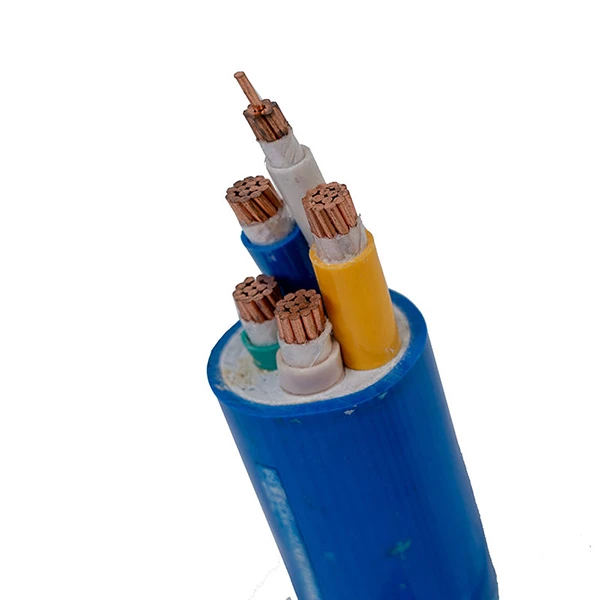
Moreover, their energy - efficient properties can lead to lower energy bills over time. The reduced risk of fire and electrical failures also means fewer costly emergency repairs and downtime.
7. Compatibility with Other Equipment
When using mineral insulated cables outdoors, it is important to ensure their compatibility with other electrical equipment. The cables should be able to connect seamlessly with switches, circuit breakers, and other components. The electrical ratings of the cable, such as voltage and current - carrying capacity, must match the requirements of the connected equipment.
8. Regulatory Compliance
Outdoor electrical installations are subject to various regulations and standards. Mineral insulated cables must comply with relevant national and international standards, such as those related to fire safety, electrical performance, and environmental protection. Before selecting a cable for an outdoor project, it is essential to ensure that the cable meets all the necessary regulatory requirements.
In conclusion, using mineral insulated cables outdoors offers many advantages, but it also requires careful consideration of various factors. As a mineral insulated cable supplier, we are committed to providing high - quality cables that meet the diverse needs of outdoor electrical installations. Our Low Voltage Durable Flexible Mineral Insulated Cable is one of the many products in our range that can be a great choice for outdoor applications.
If you are planning an outdoor electrical project and are considering using mineral insulated cables, we invite you to contact us for a detailed consultation. Our team of experts can help you select the right cable for your specific needs and provide you with all the necessary technical support. We look forward to working with you to ensure a safe, reliable, and efficient outdoor electrical installation.
References
- Electrical Installation Standards Handbook
- Mineral Insulated Cable Manufacturer's Technical Guides


