


Hey there! As a cable fitting supplier, I've spent a ton of time diving deep into the world of cable fittings. One of the most crucial aspects that folks often want to know about is the mechanical properties of cable fittings. So, let's break it down and take a closer look at what makes these little guys tick.
Strength and Durability
First off, strength is a major deal when it comes to cable fittings. These things need to be able to withstand a whole lot of stress without breaking or failing. Whether it's the tension from pulling the cables or the pressure from being tightened down, cable fittings have to hold up.
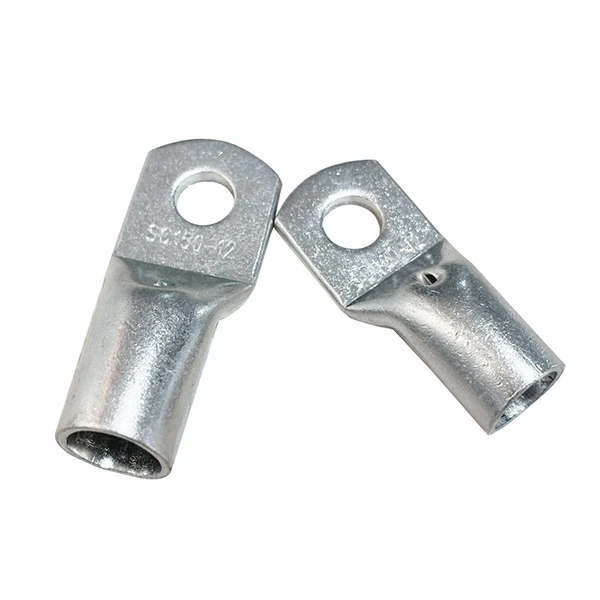
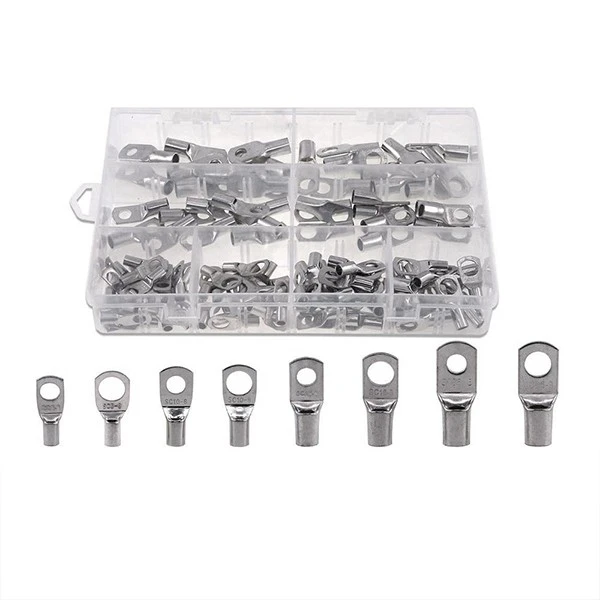
For example, our Tinned Plated Copper Aluminum Terminal Wire Copper Lugs are designed with high - strength materials. The tinned plating not only provides corrosion resistance but also adds to the overall durability of the lugs. They can handle a significant amount of mechanical stress, making them perfect for applications where reliability is key.
Durability goes hand - in - hand with strength. Cable fittings are often exposed to harsh environments, including extreme temperatures, moisture, and chemicals. That's why we use materials that can stand up to these conditions. Take our Heat Shrink Termination Heat Shrinkable Joints. These joints are made from materials that are resistant to heat, cold, and moisture. They form a tight seal around the cables, protecting them from the elements and ensuring a long service life.
Flexibility
Flexibility is another important mechanical property. In many applications, cables need to be bent, twisted, or moved around. Cable fittings need to be able to adapt to these movements without causing damage to the cables or themselves.
Our battery cable fittings, like the Battery Cable Lug Connector Terminal, are designed with flexibility in mind. They can be easily bent and adjusted to fit different cable routing requirements. This flexibility not only makes installation easier but also reduces the risk of cable damage due to excessive bending.
Compatibility
Cable fittings need to be compatible with the cables they are used with. This means they should have the right size, shape, and material properties to ensure a proper connection.
The size of the fitting is crucial. If it's too small, it won't fit the cable properly, and if it's too large, it won't provide a secure connection. We offer a wide range of cable fittings in different sizes to ensure that you can find the perfect match for your cables.
Material compatibility is also important. For example, copper fittings are often used with copper cables because they have similar electrical and mechanical properties. This helps to prevent corrosion and ensures a good electrical connection.
Resistance to Vibration
In many industrial and automotive applications, cable fittings are exposed to vibration. Vibration can cause the fittings to loosen over time, leading to poor electrical connections and potential safety hazards.
Our cable fittings are designed to resist vibration. They are often equipped with locking mechanisms or features that help to keep them securely in place. For example, some of our lugs have serrated surfaces that grip the cable tightly, preventing it from slipping out even under heavy vibration.
Ease of Installation
Let's face it, no one wants to spend hours struggling to install cable fittings. That's why ease of installation is an important mechanical property.
Our cable fittings are designed to be user - friendly. They often come with clear instructions and are easy to handle. For example, our heat - shrinkable joints can be installed quickly with just a heat gun. This not only saves time but also reduces the risk of installation errors.
Electrical Conductivity
While we're mainly talking about mechanical properties, electrical conductivity is also closely related. Cable fittings need to have good electrical conductivity to ensure efficient power transmission.
Materials like copper and aluminum are commonly used in cable fittings because they have high electrical conductivity. Our copper lugs, for example, provide a low - resistance path for electrical current, ensuring that your electrical systems work smoothly.
Maintenance Requirements
Lastly, the maintenance requirements of cable fittings are an important consideration. You don't want to have to constantly replace or repair your fittings.
Our cable fittings are designed to be low - maintenance. They are made from durable materials that resist corrosion and wear. With proper installation and occasional inspections, they can last for a long time without any major issues.
So, there you have it! These are some of the key mechanical properties of cable fittings. As a cable fitting supplier, we understand the importance of these properties and strive to provide high - quality products that meet your needs.
If you're in the market for cable fittings, whether it's for a small DIY project or a large industrial application, we'd love to hear from you. Our team of experts can help you choose the right fittings for your specific requirements. Just reach out to us, and let's start a conversation about how we can meet your cable fitting needs.
References
- Electrical Installation Handbook, Schneider Electric
- Cable Fitting Standards and Guidelines, International Electrotechnical Commission (IEC)


