


As a seasoned supplier of mineral insulated cables, I've witnessed firsthand the importance of safety during the installation process. Mineral insulated cables are renowned for their exceptional fire resistance, durability, and electrical performance, making them a popular choice for a wide range of applications, from commercial buildings to industrial facilities. However, to ensure the optimal performance and longevity of these cables, it's crucial to follow strict safety precautions during installation. In this blog post, I'll share some essential safety tips to keep in mind when installing mineral insulated cables.
1. Pre - installation Safety Checks
Before you even start the installation process, a series of safety checks are necessary. First, thoroughly inspect the cables for any visible damage. Cables can get damaged during transportation or storage, and using a damaged cable can lead to serious safety hazards. Look for cuts, dents, or any signs of corrosion on the outer sheath or conductors. If you find any damaged cables, do not use them and contact the supplier immediately.
Also, check the installation environment. Ensure that the area where the cables will be installed is clean, dry, and free from any potential sources of physical damage. For example, if there are sharp edges or rough surfaces, take measures to smooth them out or protect the cables from contact. This could involve using cable trays, conduits, or other protective enclosures.
2. Personal Protective Equipment (PPE)
Wearing the appropriate personal protective equipment is non - negotiable during the installation of mineral insulated cables. Safety glasses are essential to protect your eyes from any flying debris that may be generated during cutting or drilling operations. Gloves are also necessary to prevent cuts and burns when handling the cables. The outer sheath of mineral insulated cables can be sharp, and the conductors may carry heat, so wearing thick, cut - resistant gloves is highly recommended.

In addition, wear safety boots to protect your feet from falling objects or accidental impacts. If you are working in an area with a risk of electrical shock, make sure to wear insulated footwear. Depending on the installation location, a hard hat may also be required to protect your head from falling debris.
3. Handling and Storage
Proper handling of mineral insulated cables is crucial to prevent damage. When lifting the cables, use appropriate lifting equipment such as cable reels or hoists. Avoid dragging the cables on the ground, as this can cause abrasion to the outer sheath. When storing the cables, keep them in a dry, well - ventilated area. Do not stack heavy objects on top of the cables, as this can cause deformation.
It's also important to note that mineral insulated cables should be stored in a way that prevents them from being exposed to extreme temperatures. High temperatures can affect the insulation properties of the cables, while low temperatures can make the cables more brittle and prone to cracking.
4. Cutting and Termination
Cutting mineral insulated cables requires precision and the right tools. Use a cable cutter specifically designed for mineral insulated cables. Make sure the cutter is sharp and in good condition to ensure a clean cut. Avoid using dull or inappropriate tools, as this can cause uneven cuts and damage to the conductors.

During termination, follow the manufacturer's instructions carefully. Ensure that the termination kits are compatible with the cables. Before making the connections, clean the conductors thoroughly to remove any dirt or oxidation. This will ensure a good electrical connection and prevent overheating. Use the correct torque when tightening the terminal screws to avoid over - or under - tightening, which can lead to loose connections or damage to the conductors.
5. Electrical Safety
Mineral insulated cables are often used in electrical systems, so electrical safety is of utmost importance. Before starting any installation work, make sure the power is turned off at the source. Use a voltage tester to verify that there is no electrical current present in the cables or the installation area.
When making electrical connections, follow the correct wiring diagrams and color - coding standards. Incorrect wiring can lead to short circuits, electrical shocks, or even fires. After the installation is complete, perform a thorough electrical test to ensure that the cables are functioning properly and there are no electrical faults.
6. Fire Safety
One of the main advantages of mineral insulated cables is their fire - resistant properties. However, during the installation process, it's still important to take fire - safety precautions. Keep a fire extinguisher nearby in case of any accidental fires. Avoid using open flames or other heat sources near the cables unless absolutely necessary. If you need to use a heat source for tasks such as soldering, make sure to take appropriate precautions to prevent the cables from overheating.
7. Ventilation
If you are working in an enclosed space, ensure proper ventilation. Some of the materials used in the installation process, such as solvents or adhesives, can release harmful fumes. Good ventilation will help to disperse these fumes and prevent inhalation, which can cause health problems.
8. Training and Certification
It's highly recommended that the installation team is properly trained and certified in the installation of mineral insulated cables. Training programs can provide in - depth knowledge of the installation process, safety procedures, and the specific requirements of different types of mineral insulated cables. Certified installers are more likely to follow safety guidelines and ensure a high - quality installation.
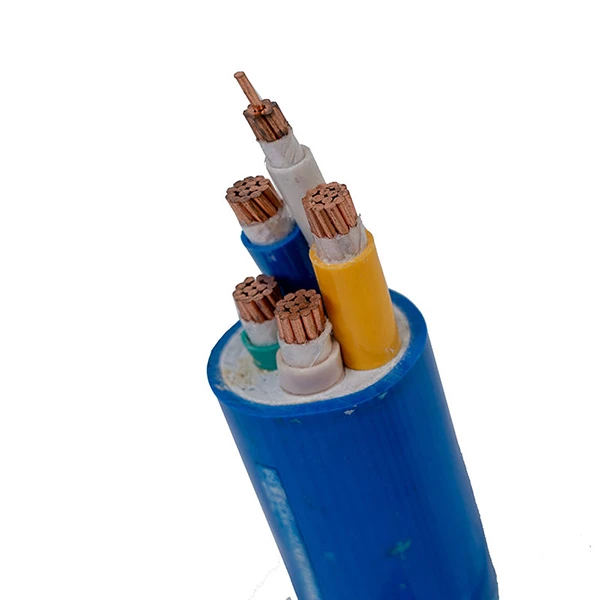
As a supplier of mineral insulated cables, we offer a variety of products to meet different customer needs. Our 4 Core 5 Core Mineral Fireproof Insulated Cable is ideal for applications that require multiple conductors and high - level fire protection. The Low Voltage Durable Flexible Mineral Insulated Cable is perfect for low - voltage systems where flexibility is needed. And our Flexible Copper Jacket Inorganic Mineral Insulated Fire - resistant Cable provides excellent fire resistance and flexibility in a copper - jacketed design.
If you are interested in our products or need more information about the installation safety of mineral insulated cables, we welcome you to contact us for procurement and further discussions. Our team of experts is ready to assist you with your cable needs and ensure a safe and successful installation.
References
- National Electrical Code (NEC)
- International Electrotechnical Commission (IEC) standards related to mineral insulated cables
- Manufacturer's installation manuals for mineral insulated cables


