Hey there! As a supplier of power cable jointing accessories, I often get asked about the temperature - resistance range of these products. It's a crucial topic, as the performance and safety of power cables largely depend on the ability of their jointing accessories to withstand different temperatures.
First off, let's talk about what power cable jointing accessories are. These are the components used to connect power cables together or to other electrical equipment. They include things like Power Cable Jointing Accessories, which are essential for ensuring a reliable and efficient electrical connection. Without proper jointing accessories, power cables can experience issues such as poor conductivity, overheating, and even electrical failures.
Now, onto the temperature - resistance range. Different types of power cable jointing accessories have different temperature - resistance capabilities. This is mainly determined by the materials they are made of and their design.
Common Materials and Their Temperature Resistance
1. Rubber - based Accessories
Rubber is a widely used material in power cable jointing accessories. It has good flexibility and insulation properties. Most rubber - based jointing accessories can withstand temperatures ranging from - 40°C to 90°C. At low temperatures, rubber can become brittle, which may lead to cracks and affect the insulation performance. On the other hand, at high temperatures, rubber may start to degrade, losing its elasticity and insulation properties. For example, if a rubber - based joint is exposed to temperatures above 90°C for an extended period, it might start to harden and develop leaks, which can cause electrical problems.
2. Plastic - based Accessories
Plastic is another common material. Polyvinyl chloride (PVC) is often used in some cable jointing accessories. PVC - based accessories typically have a temperature - resistance range of - 20°C to 70°C. PVC is relatively inexpensive and easy to process, but its temperature resistance is not as high as some other materials. At temperatures below - 20°C, PVC can become rigid and crack, while at temperatures above 70°C, it may soften and deform, compromising the integrity of the joint.
3. Metal - based Accessories
Metals like copper and aluminum are used in terminal connectors, such as Tinned Plated Copper Aluminum Terminal Wire Copper Lugs and Copper Tube Terminal Ring. Copper has excellent electrical conductivity and can withstand relatively high temperatures. Copper terminals can usually handle temperatures up to 120°C or even higher in some cases. Aluminum, while lighter and less expensive than copper, has a lower melting point and is more prone to oxidation at high temperatures. Aluminum terminals typically have a temperature - resistance range of up to 90°C.
Factors Affecting Temperature Resistance
1. Operating Environment
The environment where the power cable jointing accessories are used plays a significant role. If the cables are installed outdoors, they may be exposed to extreme weather conditions, including very low temperatures in winter and high temperatures in summer. In a desert environment, for example, the temperature can soar above 50°C during the day, which requires jointing accessories with high - temperature resistance. In contrast, in a cold climate like the Arctic, accessories need to be able to function properly at extremely low temperatures.
2. Electrical Load
The amount of electrical current flowing through the cables also affects the temperature of the jointing accessories. Higher electrical loads generate more heat. If the jointing accessories are not designed to handle the heat generated by the electrical load, they can overheat. For instance, in a high - power industrial setting where large amounts of electricity are being transmitted, the jointing accessories need to have a higher temperature - resistance range to prevent overheating and potential failures.
3. Installation Quality
Proper installation is crucial for maintaining the temperature - resistance performance of jointing accessories. If the joints are not installed correctly, there may be poor contact, which can lead to increased resistance and heat generation. For example, if a terminal lug is not tightened properly, it can cause arcing and overheating at the joint, even if the accessory is rated for a certain temperature range.
Importance of Temperature - Resistance Range
Understanding the temperature - resistance range of power cable jointing accessories is essential for several reasons. Firstly, it ensures the safety of the electrical system. If the accessories are exposed to temperatures outside their rated range, they can fail, which can lead to electrical fires or other hazards. Secondly, it helps in the proper selection of accessories for different applications. For example, in a power plant where high - temperature operations are common, high - temperature - resistant jointing accessories should be used. Thirdly, it can extend the lifespan of the power cables and the jointing accessories. By using accessories within their temperature - resistance range, they are less likely to degrade prematurely, reducing the need for frequent replacements.
How We Ensure Quality Temperature - Resistance
As a supplier of power cable jointing accessories, we take several steps to ensure that our products have the appropriate temperature - resistance range. We use high - quality materials and advanced manufacturing processes. Our products undergo rigorous testing in our laboratories to simulate different temperature conditions. We test the insulation properties, mechanical strength, and electrical conductivity of the accessories at various temperatures to ensure they meet the required standards.
In addition, we provide detailed technical specifications for each product, including the temperature - resistance range. This helps our customers make informed decisions when selecting the right jointing accessories for their specific needs.
Conclusion
So, to sum it up, the temperature - resistance range of power cable jointing accessories varies depending on the materials used, the design, and the application. It's a critical factor that affects the performance, safety, and lifespan of power cables. Whether you're dealing with a small - scale electrical project or a large - scale industrial installation, choosing the right jointing accessories with the appropriate temperature - resistance range is essential.

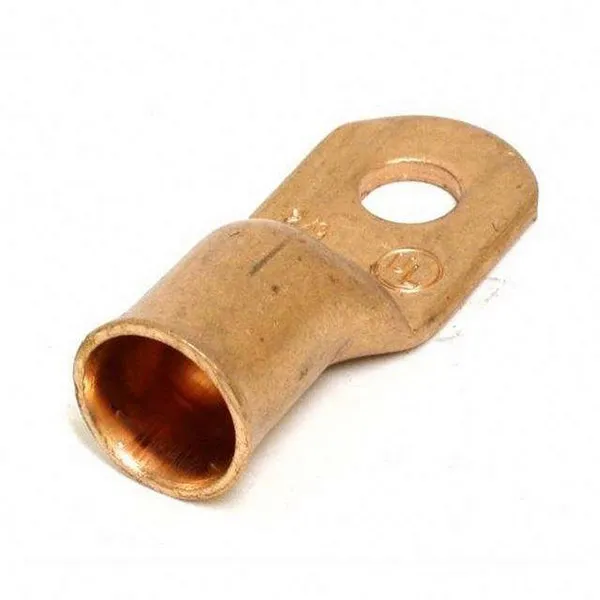
If you're in the market for high - quality power cable jointing accessories, don't hesitate to reach out. We're here to help you find the perfect solutions for your electrical needs. Whether it's Power Cable Jointing Accessories, Tinned Plated Copper Aluminum Terminal Wire Copper Lugs, or Copper Tube Terminal Ring, we've got you covered. Let's start a conversation and see how we can work together to meet your requirements.
References
- Electrical Insulation Handbook, McGraw - Hill
- Power Cable Engineering, Wiley