


As a trusted supplier of air switch circuit breakers, I've witnessed firsthand the critical role these devices play in electrical systems. They are the guardians of our circuits, protecting against overloads, short - circuits, and other electrical faults. However, like any other electrical component, air switch circuit breakers can develop faults over time. Recognizing the signs of a faulty air switch circuit breaker is essential for maintaining a safe and efficient electrical system.
Frequent Tripping
One of the most obvious signs of a faulty air switch circuit breaker is frequent tripping. A circuit breaker is designed to trip when it detects an overload or a short - circuit. But if it trips too often without any apparent cause, it could be a sign of a problem with the breaker itself.
For example, if you have a circuit that is not overloaded - you haven't added any new high - power appliances - but the breaker still trips, it might be due to a malfunctioning internal mechanism. The thermal or magnetic elements inside the breaker, which are responsible for detecting abnormal currents, could be damaged. Excessive heat or mechanical wear can cause these elements to become overly sensitive, leading to false trips.
Another reason for frequent tripping could be a loose connection within the breaker. Loose connections can cause arcing, which in turn can lead to overheating and trigger the breaker to trip. This issue can be especially dangerous as arcing can create a fire hazard. To check for loose connections, it's advisable to have a professional electrician inspect the breaker and the associated wiring.
Overheating
Overheating is a serious sign of a faulty air switch circuit breaker. You can usually detect overheating by feeling the breaker with the back of your hand (but only when it's safe to do so and the power is off). If the breaker is hot to the touch, it indicates that there is excessive current flowing through it or that there is a problem with the internal components.
One possible cause of overheating is an overloaded circuit. When too many electrical devices are connected to a single circuit, the current exceeds the breaker's rated capacity, causing it to heat up. However, if the circuit is not overloaded and the breaker is still overheating, it could be due to a damaged contact. Contacts within the breaker are responsible for conducting electricity, and if they are worn out or corroded, they can create resistance. Resistance leads to heat generation according to the formula (P = I^{2}R) (where (P) is power loss in the form of heat, (I) is current, and (R) is resistance).
Overheating can also be a result of a short - circuit within the breaker itself. A short - circuit causes a sudden and large increase in current, which generates a significant amount of heat. If left unaddressed, overheating can damage the breaker and other components in the electrical system, and it can even start a fire.
Burning Smell
A burning smell coming from the air switch circuit breaker is a clear indication of a serious problem. This smell is often caused by arcing or overheating within the breaker. Arcing occurs when there is a gap in the electrical connection, and electricity jumps across the gap, creating a spark. This spark can burn the insulation on the wires and other internal components of the breaker, producing a characteristic burning smell.
If you detect a burning smell, it's crucial to turn off the power immediately to prevent further damage and potential fire. Do not attempt to reset the breaker until a professional electrician has inspected and repaired the issue. The burning smell could be a sign of a short - circuit, a damaged contact, or a problem with the insulation within the breaker.

Audible Noises
Unusual audible noises coming from the air switch circuit breaker are also a sign of trouble. A clicking, buzzing, or humming sound can indicate arcing, loose connections, or a malfunctioning internal mechanism.
Clicking sounds might suggest that the breaker is trying to trip but is having difficulty doing so. This could be due to a mechanical problem within the breaker, such as a jammed trip mechanism. Buzzing or humming noises are often associated with arcing. As mentioned earlier, arcing is a dangerous condition that can lead to overheating and fire.
If you hear any unusual noises from the breaker, it's important to have it inspected by a professional. Ignoring these sounds can result in a complete failure of the breaker and potentially cause damage to the entire electrical system.
Visual Damage
Visual inspection can also reveal signs of a faulty air switch circuit breaker. Look for signs of physical damage, such as cracks in the housing, melted insulation, or discoloration. Cracks in the housing can allow dust, moisture, and other contaminants to enter the breaker, which can cause internal damage. Melted insulation is a clear sign of overheating, and discoloration can indicate arcing or other forms of electrical damage.
In some cases, you might also notice that the breaker's switch is difficult to operate. It might be stiff or require more force than usual to turn on or off. This could be due to a mechanical problem within the breaker, such as a worn - out spring or a damaged toggle mechanism.
Impact on Electrical Devices
A faulty air switch circuit breaker can also have an impact on the electrical devices connected to the circuit. You might notice that some devices are not working properly or are experiencing intermittent power issues. For example, lights might flicker, electronics might shut off unexpectedly, or motors might run erratically.
These problems can be a result of voltage fluctuations caused by the faulty breaker. When the breaker is not functioning correctly, it might not be able to maintain a stable voltage supply to the circuit. This can damage sensitive electrical devices over time.
Importance of Addressing Faulty Breakers
Ignoring the signs of a faulty air switch circuit breaker can have serious consequences. In addition to the risk of electrical fires, a faulty breaker can cause damage to electrical appliances and equipment. It can also lead to power outages, which can disrupt your daily activities and cause financial losses, especially in a commercial or industrial setting.
Regular maintenance and inspection of air switch circuit breakers are essential for preventing faults. If you suspect that a breaker is faulty, it's important to have it replaced as soon as possible. As a supplier of air switch circuit breakers, we offer a wide range of high - quality products that are designed to meet the needs of various electrical systems.
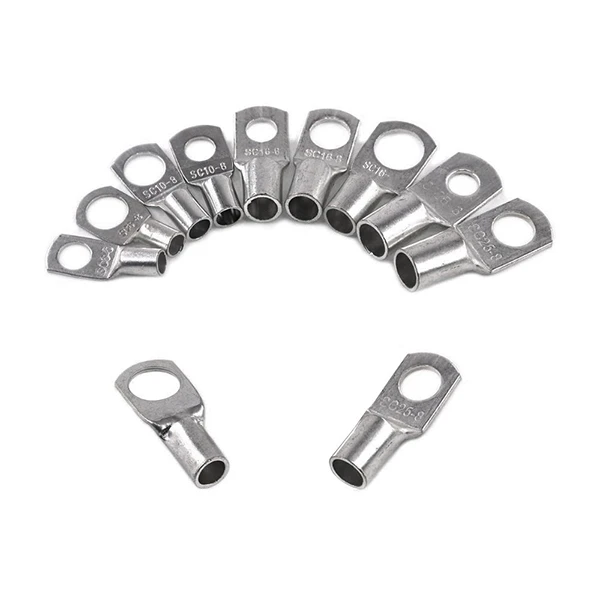
When replacing a faulty breaker, it's also important to consider the quality of the associated components. For example, Battery Cable Lug Connector Terminal are crucial for making secure electrical connections. Copper Crimp Insulated Electric Wire Ferrules Kit can ensure reliable and safe wiring, and Copper Tube Terminal Ring are essential for proper grounding and electrical conductivity.
If you are experiencing any of the signs mentioned above or are in need of a new air switch circuit breaker, please don't hesitate to contact us for a detailed discussion. Our team of experts can help you select the right breaker for your specific requirements and provide you with professional advice on installation and maintenance.
Conclusion
In conclusion, being aware of the signs of a faulty air switch circuit breaker is crucial for maintaining a safe and efficient electrical system. Frequent tripping, overheating, burning smells, audible noises, visual damage, and impacts on electrical devices are all indicators that something is wrong with the breaker. If you notice any of these signs, it's important to take action immediately to prevent further damage and ensure the safety of your property and the people using it. As a reliable supplier, we are committed to providing high - quality air switch circuit breakers and related components to meet your electrical needs. Contact us today to discuss your procurement requirements, and let's work together to keep your electrical systems running smoothly.
References
- "Electrical Wiring: Residential" by Ray C. Mullin
- "Electrical Installation Work" by Tom Henry
- National Electrical Code (NEC) standards


