


Contact resistance is a crucial parameter in electrical connections, especially when it comes to wire square tube cable terminal sets. As a supplier of wire square tube cable terminal sets, I've witnessed firsthand the importance of understanding contact resistance and its impact on the performance of electrical systems. In this blog post, I'll delve into what contact resistance is, how it affects wire square tube cable terminal sets, and why it matters for your electrical applications.
Understanding Contact Resistance
Contact resistance refers to the resistance encountered at the interface between two conductive materials when they are in contact with each other. When electrical current flows through a connection, it encounters resistance not only within the conductors themselves but also at the contact points. This resistance is caused by several factors, including surface roughness, oxidation, contamination, and the nature of the materials in contact.
At the microscopic level, the surfaces of conductors are not perfectly smooth. When two conductors are brought into contact, only a fraction of their surfaces actually make direct contact. The rest of the surface area forms small gaps or air pockets, which increase the resistance to current flow. Additionally, the presence of oxide layers on the conductor surfaces can act as insulators, further increasing the contact resistance.
Factors Affecting Contact Resistance in Wire Square Tube Cable Terminal Sets
Several factors can influence the contact resistance of a wire square tube cable terminal set. Understanding these factors is essential for ensuring reliable and efficient electrical connections.
Surface Finish
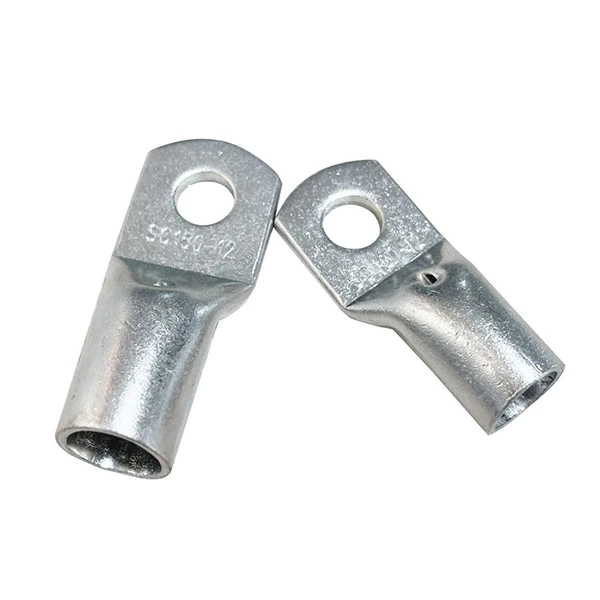
The surface finish of the terminal and the wire plays a significant role in determining contact resistance. A smooth and clean surface provides better electrical contact and reduces resistance. Conversely, a rough or contaminated surface can increase resistance and lead to overheating and power losses. As a supplier, we ensure that our Wire Square Tube Cable Terminal Set undergoes strict surface treatment processes to achieve a high-quality finish.
Material Properties
The choice of materials for the terminal and the wire is another important factor. Different materials have different electrical conductivities and resistivities. For example, copper is a commonly used material for electrical terminals due to its high conductivity. However, the presence of impurities or alloying elements can affect its conductivity and increase contact resistance. We carefully select high-quality materials for our terminal sets to minimize contact resistance and ensure optimal performance.
Contact Pressure
Proper contact pressure is crucial for maintaining low contact resistance. When the terminal is crimped or bolted onto the wire, sufficient pressure must be applied to ensure good electrical contact. Insufficient pressure can result in loose connections, which increase resistance and can lead to arcing and overheating. On the other hand, excessive pressure can damage the wire or the terminal, also affecting the contact resistance. Our terminal sets are designed to provide the right amount of contact pressure for reliable connections.

Temperature
Temperature can have a significant impact on contact resistance. As the temperature increases, the resistance of the conductors and the contact interface also increases. This is due to the increased mobility of electrons and the expansion of the materials. In high-temperature environments, the contact resistance can become a major concern, as it can lead to further heating and potential failure of the electrical connection. Our terminal sets are designed to withstand a wide range of temperatures, ensuring stable performance even in harsh conditions.
Measuring Contact Resistance
Measuring contact resistance is an important step in quality control and troubleshooting electrical connections. There are several methods available for measuring contact resistance, including the four-wire method and the two-wire method.
The four-wire method, also known as the Kelvin method, is the most accurate way to measure contact resistance. This method uses two separate pairs of wires: one pair for carrying the current and the other pair for measuring the voltage across the contact. By separating the current and voltage paths, the four-wire method eliminates the resistance of the test leads and provides a more accurate measurement of the contact resistance.
The two-wire method is a simpler and more commonly used method for measuring contact resistance. This method uses a single pair of wires to carry the current and measure the voltage across the contact. However, the two-wire method includes the resistance of the test leads in the measurement, which can introduce errors, especially for low-resistance contacts.
Importance of Low Contact Resistance in Wire Square Tube Cable Terminal Sets
Low contact resistance is essential for the reliable and efficient operation of electrical systems. Here are some of the key reasons why low contact resistance matters:
Reduced Power Losses
High contact resistance can lead to significant power losses in electrical connections. When current flows through a high-resistance contact, energy is dissipated in the form of heat. This not only wastes energy but also increases the temperature of the connection, which can further increase the resistance and lead to a vicious cycle. By minimizing contact resistance, we can reduce power losses and improve the energy efficiency of electrical systems.
Improved System Reliability
Low contact resistance ensures a stable and reliable electrical connection. A high-resistance contact can cause voltage drops, which can affect the performance of electrical devices and lead to malfunctions. In addition, high contact resistance can cause overheating, which can damage the terminal and the wire, and even pose a fire hazard. By maintaining low contact resistance, we can improve the reliability and safety of electrical systems.
Extended Equipment Lifespan
Excessive heat generated by high contact resistance can accelerate the aging process of electrical components and reduce their lifespan. By minimizing contact resistance and reducing heat generation, we can extend the lifespan of equipment and reduce maintenance costs.
Our Wire Square Tube Cable Terminal Sets
As a leading supplier of wire square tube cable terminal sets, we are committed to providing high-quality products with low contact resistance. Our terminal sets are designed and manufactured using advanced technology and strict quality control measures to ensure optimal performance and reliability.
We offer a wide range of Wire Square Tube Cable Terminal Set to meet the diverse needs of our customers. Our products are available in different sizes, materials, and configurations to suit various applications. Whether you need a terminal set for a small electronic device or a large industrial electrical system, we have the right solution for you.
In addition to wire square tube cable terminal sets, we also offer other types of cable fittings, such as Battery Cable Lug Connector Terminal and Copper Tube Terminal Ring. Our comprehensive product range allows us to provide一站式 solutions for all your cable connection needs.
Contact Us for Your Cable Terminal Set Needs
If you're looking for high-quality wire square tube cable terminal sets with low contact resistance, look no further. We have the expertise and experience to provide you with the best products and services. Whether you have a specific requirement or need advice on choosing the right terminal set for your application, our team of experts is here to help.
Contact us today to discuss your cable terminal set needs and start a procurement negotiation. We look forward to working with you to provide reliable and efficient electrical connection solutions.
References
- Grover, F. W. (1962). Inductance Calculations: Working Formulas and Tables. Dover Publications.
- Nilsson, J. W., & Riedel, S. A. (2015). Electric Circuits. Pearson.
- Popovic, Z. D. (1982). Solid State Electronics Devices. Prentice-Hall.


