


Hey there! As a cable fitting supplier, I often get asked about the differences between metal and plastic cable fittings. So, I thought I'd take a moment to break it down for you.
1. Material Properties
Let's start with the basics - the properties of the materials themselves. Metal cable fittings are typically made from materials like copper, aluminum, or stainless steel. These metals are known for their strength and durability. For instance, copper is an excellent conductor of electricity, which makes it a top - choice for applications where electrical conductivity is crucial. You can check out our Copper Crimp Insulated Electric Wire Ferrules Kit for a great example of how copper is used in cable fittings.
On the other hand, plastic cable fittings are usually made from polymers such as PVC (Polyvinyl Chloride), nylon, or polycarbonate. Plastics are lightweight and have good insulation properties. They're also resistant to corrosion in many environments, which is a big plus.
2. Strength and Durability
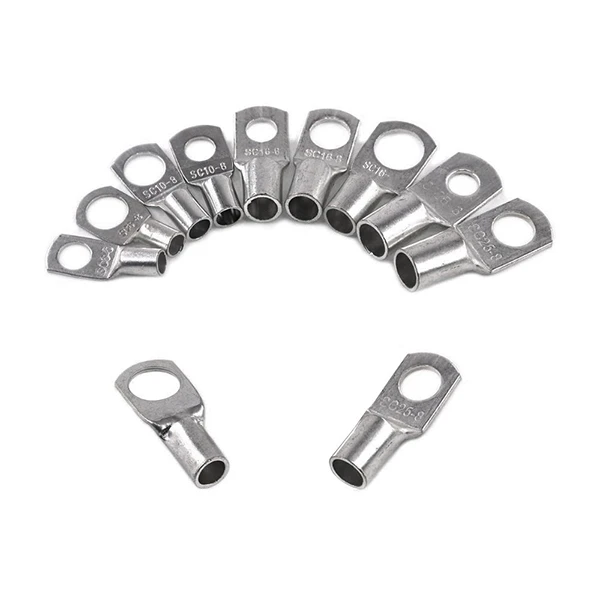
When it comes to strength, metal cable fittings have the upper hand. They can withstand high levels of mechanical stress, like heavy pulling or bending. This makes them ideal for industrial settings where cables are subject to rough handling. For example, in a construction site, metal fittings can hold up well under the constant movement and vibrations. Our Copper Tube Terminal Ring is a strong and reliable option for such demanding applications.
Plastic cable fittings, while not as strong as metal ones, are still quite durable in their own right. They're less likely to break under normal use, especially in indoor or less - harsh outdoor environments. However, they can become brittle over time if exposed to extreme temperatures or certain chemicals.
3. Electrical Conductivity
As I mentioned earlier, metal cable fittings, especially those made of copper, are great conductors of electricity. This is essential in electrical systems where a good electrical connection is needed. Metal fittings ensure that there's minimal resistance in the circuit, which helps to prevent power loss and overheating.
Plastic cable fittings, on the other hand, are insulators. They're used to isolate electrical components and prevent short - circuits. For example, plastic cable ties or clips can be used to organize cables and keep them from touching each other, reducing the risk of electrical problems.
4. Corrosion Resistance
Corrosion is a major concern when it comes to cable fittings, especially in outdoor or wet environments. Metal fittings can corrode over time, especially if they're not made from corrosion - resistant materials like stainless steel. Rust can weaken the fitting and affect its performance.
Plastic cable fittings are highly resistant to corrosion. They don't rust or corrode, which means they can last a long time in harsh conditions. This makes them a popular choice for outdoor applications such as in telecommunications or marine environments.
5. Cost
Cost is always a factor when choosing cable fittings. Metal cable fittings are generally more expensive than plastic ones. The cost of the raw materials, as well as the manufacturing process, contribute to the higher price. However, in some cases, the added durability and performance of metal fittings make the extra cost worth it.
Plastic cable fittings are more budget - friendly. They're easier and cheaper to produce, which is reflected in their lower price. If you're working on a project with a tight budget, plastic fittings can be a great option.
6. Aesthetics
In some applications, aesthetics matter. Metal cable fittings often have a more industrial and professional look. They can add a touch of quality and durability to the overall appearance of the installation.
Plastic cable fittings come in a variety of colors, which can be useful for color - coding cables or for creating a more visually appealing setup. They can also be more discreet in some cases, blending in better with the surrounding environment.
7. Installation
Installing metal cable fittings can sometimes be more challenging than installing plastic ones. Metal fittings may require special tools, like crimping tools or soldering equipment, to ensure a proper connection. This can add to the installation time and cost.
Plastic cable fittings are usually easier to install. They can often be snapped or clipped into place without the need for special tools. This makes them a popular choice for DIY projects or for quick installations.

8. Environmental Impact
When it comes to the environment, both metal and plastic cable fittings have their pros and cons. Metal is a recyclable material, which means that at the end of its life, it can be melted down and reused. However, the mining and processing of metals can have a significant environmental impact.
Plastic is not as easily recyclable as metal. Many types of plastic end up in landfills, where they can take hundreds of years to decompose. However, there are now more environmentally - friendly plastics available, such as biodegradable or recycled plastics.
9. Application Examples
Let's look at some specific application examples to see how these differences play out in real - world scenarios.
Industrial Applications
In industrial settings, metal cable fittings are commonly used. For example, in a factory, metal connectors are used to connect heavy - duty electrical cables. Our Wire Square Tube Cable Terminal Set is a great option for these types of applications. The high strength and electrical conductivity of metal fittings are essential in ensuring the safe and efficient operation of industrial equipment.
Residential Applications
In a residential setting, plastic cable fittings are more commonly used. For example, plastic cable ties are used to organize cables behind a TV or a computer. They're easy to install and relatively inexpensive. Plastic insulation sleeves are also used to cover exposed wires and prevent electrical shock.
Outdoor Applications
For outdoor applications, both metal and plastic cable fittings have their uses. Metal fittings are used in applications where strength and electrical conductivity are important, such as in outdoor lighting systems. Plastic fittings are used for cable management and protection, especially in areas where corrosion is a concern, like in a garden or near the sea.
10. Making the Right Choice
So, how do you decide whether to use metal or plastic cable fittings for your project? It all comes down to your specific needs. Consider factors like the environment, the level of mechanical stress, the need for electrical conductivity, and your budget.
If you need a strong, durable, and conductive fitting for an industrial or high - power application, metal is the way to go. But if you're looking for an inexpensive, lightweight, and corrosion - resistant option for a less - demanding application, plastic might be the better choice.
As a cable fitting supplier, I'm here to help you make the right decision. Whether you need metal or plastic cable fittings, we have a wide range of products to meet your needs. If you're interested in learning more about our products or have any questions, feel free to reach out to us. We're always happy to have a chat and discuss your requirements. Let's work together to find the perfect cable fittings for your project!
References
- "Materials Science and Engineering: An Introduction" by William D. Callister Jr. and David G. Rethwisch
- "Electrical Installation Handbook" by ABB Group


