


Yo! I'm a supplier of twin copper core sheath earth cables. You know, these cables are pretty crucial in a bunch of electrical setups. They're used in homes, industries, and all sorts of places where reliable electrical conductivity is a must. But today, I wanna chat about something that might not be on everyone's radar right off the bat: the impact of temperature on the conductivity of these cables.
Let's start with the basics. Conductivity, in simple terms, is how well a material can carry an electrical current. For twin copper core sheath earth cables, copper is the star player. It's known for its excellent conductivity, which is why it's used so widely in the electrical industry. But here's the thing: temperature can mess with that conductivity big time.
When we talk about temperature, we're looking at two main scenarios: increasing temperature and decreasing temperature. Let's dig into the effects of rising temperature first.
The Impact of Increasing Temperature
As the temperature goes up, the atoms in the copper start to vibrate more vigorously. These vibrations act like roadblocks for the electrons that are trying to flow through the cable. You can think of it like a crowded dance floor. When there are just a few people dancing, it's easy to move around. But as more and more people join and start moving erratically, it gets harder to make your way through the crowd. That's exactly what happens to the electrons in the copper cable when the temperature rises.
The increased atomic vibrations cause more collisions between the electrons and the atoms. Each collision slows down the electrons, and this resistance to the flow of electrons is what we call electrical resistance. And as resistance goes up, conductivity goes down. It's an inverse relationship.
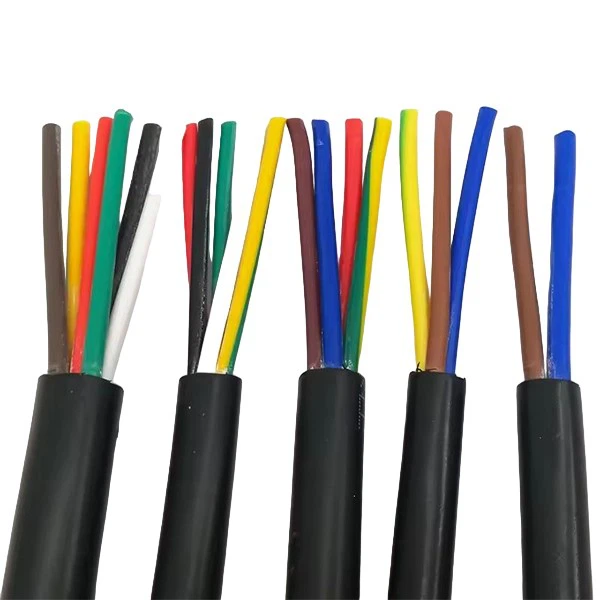
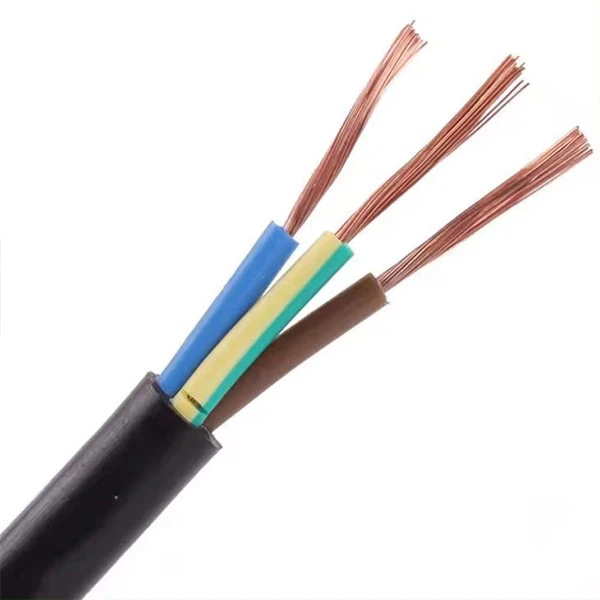
This decrease in conductivity due to rising temperature can have some real - world consequences. In a home electrical system, for example, if the temperature of the twin copper core sheath earth cable gets too high, the cable might not be able to carry the electrical current as efficiently. This could lead to overheating, which is a major fire hazard. That's why it's super important to use cables that can handle high temperatures, like the Heat Resistant Copper Conductor PVC Insulated Electrical Wire.
In industrial settings, the problem can be even more severe. Large machinery often relies on a steady supply of electricity. If the cables in these systems experience a significant drop in conductivity due to high temperatures, it can lead to malfunctions, equipment damage, and costly downtime.
The Impact of Decreasing Temperature
On the flip side, when the temperature decreases, the atoms in the copper become less energetic and vibrate less. This means there are fewer collisions between the electrons and the atoms. It's like the dance floor has emptied out a bit, and it's much easier to move around.
With fewer collisions, the resistance of the copper cable decreases, and conductivity increases. This might sound like a great thing, and in some cases, it is. For example, in cold environments, the cables can carry electrical current more efficiently. But there are also some potential downsides.
The insulation around the twin copper core sheath earth cable can become brittle in cold temperatures. This can lead to cracks and breaks in the insulation, exposing the copper cores and creating a safety hazard. So, it's important to choose cables that are designed to withstand cold conditions. Our 2 Core Shielded Twisted Pair Cable is a great option as it's built to handle a wide range of temperatures.
Practical Considerations for Cable Selection
When you're in the market for twin copper core sheath earth cables, temperature is a factor you can't ignore. You need to think about the environment where the cables will be installed. If it's a hot area, you'll want cables that are heat - resistant. The Fire - Resistant Copper Conductor PVC Insulation Home Electrical Cable is a great choice for homes in warm climates. It not only can tolerate high temperatures but also has fire - resistant properties, adding an extra layer of safety.
If you're in a cold climate, look for cables with insulation that can stand up to the cold. You don't want the insulation to crack and cause a dangerous situation. And don't forget about the long - term effects of temperature on the cables. Over time, repeated exposure to extreme temperatures can degrade the cable materials, reducing their performance and lifespan.
How We Can Help
As a supplier of twin copper core sheath earth cables, I understand the importance of getting the right cable for the job. We've got a wide range of cables that are designed to handle different temperature conditions. Whether you need a cable for a high - temperature industrial environment or a cold - weather home installation, we've got you covered.
If you're interested in learning more about our cable products or have specific requirements for your electrical project, don't hesitate to reach out. We're here to answer your questions, provide technical support, and help you make the best choice for your needs. Contact us today to start the conversation about your next cable purchase.
References
- Groover, M. P. (2010). Fundamentals of modern manufacturing: materials, processes, and systems. John Wiley & Sons.
- Dorf, R. C., & Swope, T. G. (Eds.). (2008). The electrical engineering handbook. CRC Press.


