


In the intricate landscape of electrical systems, the correct installation sequence of cable fittings is a pivotal aspect that can significantly impact the system's performance, safety, and longevity. As a seasoned cable fitting supplier, I've witnessed firsthand the importance of following a precise installation order to ensure optimal functionality. In this blog, we'll delve into the installation sequence for cable fittings in a complex system, shedding light on the key steps and considerations.
Initial Assessment and Planning
Before embarking on the installation process, a thorough assessment of the system is essential. This involves understanding the system's requirements, the type of cables being used, and the specific cable fittings needed. Factors such as the cable's voltage rating, current capacity, and environmental conditions must be taken into account. For instance, in a high - voltage power transmission system, the cable fittings need to be designed to withstand extreme electrical stresses.
Once the assessment is complete, a detailed installation plan should be developed. This plan should outline the sequence of installation, the tools required, and the safety precautions to be followed. It's also crucial to ensure that all the necessary cable fittings are available and in good condition.
Cable Preparation
The first step in the actual installation process is cable preparation. This begins with stripping the outer sheath of the cable to expose the inner conductors. The length of the stripped section should be carefully measured according to the requirements of the cable fittings. Any damaged or frayed conductors should be trimmed and cleaned to ensure a proper connection.
After stripping, the conductors may need to be tinned if required by the fitting specifications. Tinning involves applying a thin layer of solder to the conductors, which helps to improve the electrical conductivity and the mechanical strength of the connection.
Installation of Cable Terminations
Cable terminations are used to end the cable and provide a connection point to other electrical components. The installation of cable terminations should be carried out with precision.
Heat Shrinkable End Cap for Cable Termination
One of the common types of cable terminations is the Heat Shrinkable End Cap for Cable Termination. These end caps are designed to provide insulation and protection to the cable ends. To install a heat shrinkable end cap, first, select the appropriate size for the cable. Slide the end cap over the prepared cable end and position it correctly. Then, use a heat gun to apply heat evenly around the end cap. As the end cap heats up, it will shrink and conform tightly to the cable, creating a secure and insulated termination.
Installation of Cable Joints
Cable joints are used to connect two or more cables together. The installation of cable joints is a more complex process compared to terminations, as it requires precise alignment and connection of the conductors.
First, the conductors of the cables to be joined should be carefully aligned. This may involve using a special alignment tool to ensure that the conductors are in the correct position. Once aligned, the conductors are usually connected using crimping or soldering techniques.
After the conductors are connected, the joint area needs to be insulated. This can be done using insulation tapes or pre - molded insulation kits. The insulation should be applied in multiple layers to ensure proper electrical isolation.
Installation of Intermediate Fittings
In a complex system, there may be a variety of intermediate fittings such as cable glands, connectors, and splices.
Battery Cable Lug Connector Terminal
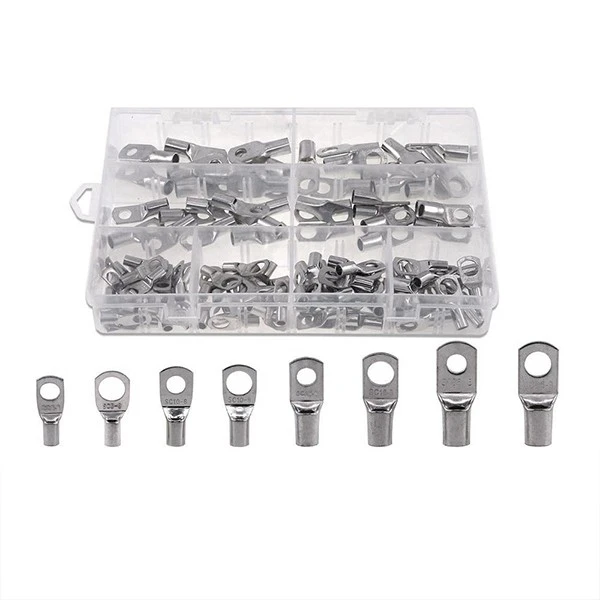
Battery Cable Lug Connector Terminal is a common type of intermediate fitting. These terminals are used to connect cables to batteries or other electrical devices. To install a battery cable lug connector terminal, first, select the appropriate size for the cable and the device. Insert the cable into the lug and use a crimping tool to secure the connection. The crimping should be done with the right amount of force to ensure a tight and reliable connection.
Installation of Protective Fittings
Protective fittings play a crucial role in safeguarding the cables and the entire electrical system. These fittings include cable trays, conduits, and air switches.
Air Switch Circuit Breaker
An Air Switch Circuit Breaker is an important protective fitting. It is designed to automatically interrupt the electrical circuit in case of an overload or a short - circuit. The installation of an air switch circuit breaker should be carried out by a qualified electrician. First, the breaker should be mounted in a suitable location according to the system layout. Then, the incoming and outgoing cables should be connected to the appropriate terminals of the breaker, following the manufacturer's instructions.
Testing and Commissioning
After all the cable fittings are installed, a comprehensive testing process should be carried out. This includes electrical testing to check the continuity, insulation resistance, and dielectric strength of the cables and the fittings. Any faults or issues detected during the testing should be rectified immediately.
Once the testing is successful, the system can be commissioned. Commissioning involves starting up the system and monitoring its performance to ensure that it operates as intended.

Importance of Correct Installation Sequence
Following the correct installation sequence is of utmost importance. An incorrect sequence can lead to a variety of problems, such as poor electrical connections, increased electrical resistance, and reduced insulation performance. These issues can result in overheating, electrical failures, and even safety hazards.
For example, if a cable termination is installed before the cable is properly prepared, the connection may not be secure, leading to arcing and potential fire hazards. Similarly, if protective fittings are not installed in the right order, the system may not be adequately protected against electrical faults.
Conclusion
In conclusion, the installation sequence for cable fittings in a complex system is a multi - step process that requires careful planning, precision, and attention to detail. From cable preparation to testing and commissioning, each step plays a crucial role in ensuring the proper functioning of the electrical system.
As a cable fitting supplier, we are committed to providing high - quality cable fittings and comprehensive technical support to our customers. Whether you are working on a small - scale electrical project or a large - scale industrial system, we have the right products and expertise to meet your needs.
If you are in the market for cable fittings or need advice on the installation process, please don't hesitate to contact us for procurement and further discussions. We look forward to partnering with you to ensure the success of your electrical projects.
References
- Electrical Installation Handbook, Schneider Electric
- Cable Installation and Maintenance Guide, Prysmian Group


