


Hey there! As a cable fitting supplier, I often get asked about the installation torque for cable fittings. It's a crucial topic because getting the torque right can make or break the performance and safety of your electrical installations. So, let's dive into what installation torque is all about and why it matters for cable fittings.
First off, what exactly is installation torque? In simple terms, torque is the measure of the force that causes an object to rotate. When it comes to cable fittings, installation torque refers to the amount of force you need to apply when tightening the fitting onto the cable or the electrical component. This force is usually measured in units like Newton - meters (N·m) or foot - pounds (ft - lb).
Why is the right installation torque so important? Well, if the torque is too low, the cable fitting might not be securely attached. This can lead to loose connections, which in turn can cause increased resistance. Increased resistance means more heat generation, and excessive heat can damage the cable, the fitting, and even pose a fire hazard. On the other hand, if the torque is too high, you risk over - tightening the fitting. This can damage the threads of the fitting or the cable, and it might even crack the fitting itself. A damaged fitting won't provide a proper electrical connection and can also compromise the overall integrity of the installation.
Now, let's talk about how to determine the correct installation torque for different types of cable fittings. There are several factors to consider, and it's not a one - size - fits - all situation.
Types of Cable Fittings and Their Torque Requirements
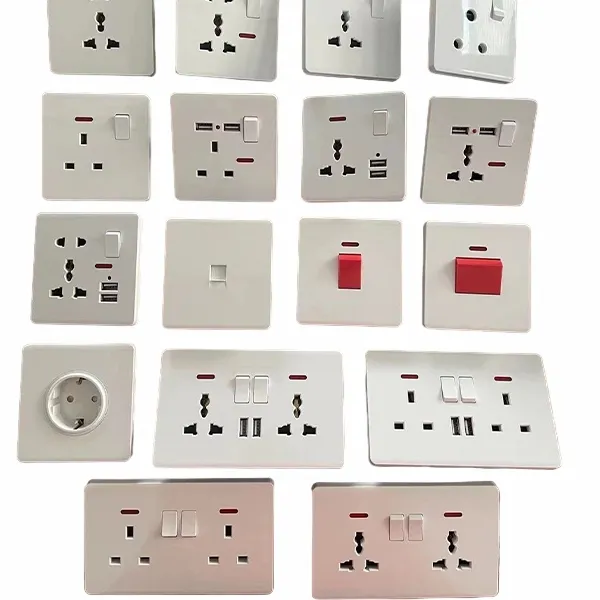
Wall Switch and Electrical Accessories
For Wall Switch and Electrical Accessories, the installation torque requirements can vary depending on the specific product. For example, when installing a wall switch, you need to make sure the screws that hold it in place are tightened just enough to keep it firmly attached to the wall box. Usually, a small screwdriver is used, and the torque is relatively low. You don't want to overtighten and crack the switch housing or damage the wall box. A general rule of thumb for small electrical accessories like wall switches is to use a torque value in the range of 0.5 - 2 N·m. This ensures a secure fit without causing any damage.
Copper Tube Terminal Ring
Copper Tube Terminal Rings are commonly used to connect cables to electrical equipment. The torque for these terminal rings is critical because it affects the electrical conductivity between the cable and the equipment. When tightening a copper tube terminal ring onto a cable, you need to use a torque wrench to apply the correct amount of force. The torque value for copper tube terminal rings typically depends on the size of the ring and the cable. For smaller rings used with thinner cables, the torque might be around 3 - 5 N·m. For larger rings and thicker cables, it could go up to 10 - 15 N·m. It's important to follow the manufacturer's specifications, as different materials and designs can have different torque requirements.
Heat Shrink Termination Heat Shrinkable Joints
Heat Shrink Termination Heat Shrinkable Joints are used to protect and insulate cable connections. While the heat - shrinking process is a key part of the installation, there are also some mechanical components that need to be tightened with the right torque. For example, the clamps or connectors associated with heat - shrink joints need to be tightened properly. The torque for these components can range from 5 - 20 N·m, depending on the size and type of the joint. A proper torque ensures that the joint is sealed well and provides good electrical insulation.
Tools for Measuring Installation Torque
To ensure that you're applying the correct installation torque, you need the right tools. The most common tool for measuring torque is a torque wrench. There are different types of torque wrenches, such as click - type torque wrenches and digital torque wrenches.
A click - type torque wrench is a simple and affordable option. You set the desired torque value on the wrench, and when you reach that value while tightening, the wrench will make a clicking sound. This lets you know that you've applied the correct amount of force. Digital torque wrenches, on the other hand, are more precise. They display the torque value on a digital screen, which can be very useful for applications where high accuracy is required.
Factors Affecting Installation Torque
Apart from the type of cable fitting, there are other factors that can affect the installation torque.
Material of the Fitting and the Cable
The material of the cable fitting and the cable itself plays a big role. For example, if you're using a brass fitting on an aluminum cable, the torque requirements might be different compared to a copper - to - copper connection. Different materials have different coefficients of friction and mechanical properties, which can influence how much force is needed to achieve a secure connection.
Environmental Conditions
The environment where the cable fitting is installed also matters. In a humid or corrosive environment, the fitting and the cable might be more prone to corrosion. This can affect the threads and the overall integrity of the connection. In such cases, you might need to adjust the installation torque slightly to ensure a long - lasting and reliable connection.
Thread Condition
The condition of the threads on the fitting and the mating component is crucial. If the threads are damaged, dirty, or have burrs, it can affect the torque required for a proper installation. It's always a good idea to clean and inspect the threads before installation and make sure they're in good condition.

How to Ensure Proper Installation Torque
Here are some steps you can take to ensure that you're applying the correct installation torque for cable fittings:
- Read the Manufacturer's Instructions: This is the most important step. The manufacturer of the cable fitting will provide specific torque values and installation instructions. Make sure you follow these instructions carefully.
- Use the Right Tools: As mentioned earlier, use a torque wrench to measure and apply the correct torque. Don't rely on guesswork or just tightening by hand.
- Inspect the Fitting and the Cable: Before installation, check the fitting and the cable for any damage or defects. Make sure the threads are clean and in good condition.
- Test the Connection: After installation, it's a good idea to test the electrical connection to make sure it's working properly. You can use a multimeter to check the resistance and ensure that there are no loose connections.
Conclusion
In conclusion, the installation torque for cable fittings is a critical aspect of electrical installations. Getting it right can ensure the safety, performance, and longevity of your electrical systems. Whether you're dealing with Wall Switch and Electrical Accessories, Copper Tube Terminal Rings, or Heat Shrink Termination Heat Shrinkable Joints, make sure you understand the specific torque requirements and follow the proper installation procedures.
If you're in the market for high - quality cable fittings and need more information about installation torque or any other aspect of our products, don't hesitate to reach out. We're here to help you with all your cable fitting needs and ensure that your electrical installations are safe and reliable.
References
- Electrical Installation Handbook, Schneider Electric
- National Electrical Code (NEC)
- Manufacturer's specifications for cable fittings


