


In the world of electrical and cable fittings, the copper tube terminal ring stands as a crucial component, often overlooked but playing a vital role in ensuring the stability and safety of electrical connections. As a supplier of copper tube terminal rings, I've witnessed firsthand the diverse applications and the importance of understanding their pressure - resistance.

Understanding the Basics of Copper Tube Terminal Rings
Copper tube terminal rings are used to connect electrical cables to various devices, such as switches, batteries, and other electrical components. They are typically made from high - quality copper, which is chosen for its excellent electrical conductivity, corrosion resistance, and malleability. The basic structure of a copper tube terminal ring consists of a tube - shaped body with a ring at one end. The tube is designed to accommodate the cable, while the ring is used for connection to the device.
The pressure - resistance of a copper tube terminal ring refers to its ability to withstand external pressure without deforming or losing its functionality. This is an essential characteristic, as electrical connections often need to remain stable under different operating conditions, including mechanical stress, vibration, and temperature changes.
Factors Affecting the Pressure - Resistance of Copper Tube Terminal Rings
Material Quality
The quality of the copper used in the terminal ring is a primary factor influencing its pressure - resistance. High - purity copper, such as oxygen - free copper (OFC), has better mechanical properties compared to lower - grade copper. OFC has fewer impurities, which means it has higher strength and better ductility. This allows the terminal ring to withstand higher pressures without cracking or deforming. For example, in a high - vibration environment, a terminal ring made of high - purity copper is less likely to loosen or break, ensuring a stable electrical connection.
Wall Thickness
The wall thickness of the copper tube terminal ring also plays a significant role in its pressure - resistance. A thicker wall provides more structural support, allowing the terminal ring to resist higher pressures. However, increasing the wall thickness also increases the weight and cost of the terminal ring. Therefore, a balance needs to be struck between the desired pressure - resistance and other factors such as weight and cost. For instance, in applications where space is limited and weight is a concern, a thinner - walled terminal ring may be preferred, but it must still meet the minimum pressure - resistance requirements.
Manufacturing Process
The manufacturing process of the copper tube terminal ring can greatly affect its pressure - resistance. Precision manufacturing techniques, such as cold forging and machining, can ensure that the terminal ring has a uniform wall thickness and a smooth surface finish. These factors contribute to the overall strength and durability of the terminal ring. In contrast, a poorly manufactured terminal ring with uneven wall thickness or rough surfaces may be more prone to failure under pressure. For example, if there are small cracks or voids in the terminal ring due to a sub - standard manufacturing process, it can significantly reduce its pressure - resistance.
Testing the Pressure - Resistance of Copper Tube Terminal Rings
To ensure the quality and reliability of copper tube terminal rings, various testing methods are used to determine their pressure - resistance.

Hydrostatic Testing
Hydrostatic testing involves subjecting the terminal ring to a specific water pressure for a set period. This test simulates the pressure that the terminal ring may encounter in real - world applications. During the test, the terminal ring is filled with water and then pressurized to a predetermined level. The terminal ring is then inspected for any signs of leakage or deformation. If the terminal ring can withstand the test pressure without failure, it is considered to have passed the hydrostatic test.
Compression Testing
Compression testing is another common method used to measure the pressure - resistance of copper tube terminal rings. In this test, the terminal ring is placed between two compression plates, and a gradually increasing force is applied until the terminal ring deforms or fails. The maximum force that the terminal ring can withstand before failure is recorded as its compression strength. This test provides valuable information about the terminal ring's ability to resist pressure in a static, compressive environment.

Applications and the Importance of Pressure - Resistance
Copper tube terminal rings are widely used in various industries, and their pressure - resistance is of utmost importance in each application.
Electrical Power Distribution
In electrical power distribution systems, copper tube terminal rings are used to connect cables to transformers, switchgear, and other electrical equipment. These connections need to be able to withstand high mechanical and electrical stresses. For example, during a power surge, the terminal rings may be subjected to sudden increases in current and pressure. If the terminal rings do not have sufficient pressure - resistance, they may deform or break, leading to power outages or even electrical fires. Therefore, using high - quality terminal rings with good pressure - resistance is essential for the safe and reliable operation of power distribution systems.
Automotive Industry
In the automotive industry, copper tube terminal rings are used in battery connections, wiring harnesses, and other electrical components. Vehicles are often exposed to harsh environments, including vibrations, shocks, and temperature variations. The terminal rings need to be able to withstand these conditions without losing their electrical conductivity or mechanical integrity. For instance, in a car's engine compartment, the terminal rings are exposed to high temperatures and vibrations. If the pressure - resistance of the terminal rings is poor, they may loosen over time, leading to electrical problems such as starting failures or electrical shorts.
Our Offerings as a Copper Tube Terminal Ring Supplier
As a supplier of copper tube terminal rings, we are committed to providing high - quality products with excellent pressure - resistance. We source the best - quality copper materials and use advanced manufacturing processes to ensure the reliability of our terminal rings. Our products undergo rigorous testing to meet or exceed industry standards.
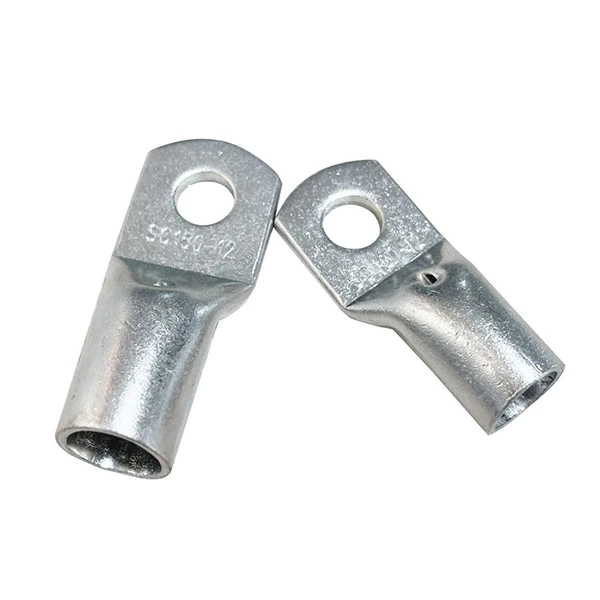
We offer a wide range of Copper Tube Terminal Ring sizes and specifications to meet the diverse needs of our customers. Whether you need terminal rings for small - scale electrical projects or large - scale industrial applications, we have the right products for you. In addition to copper tube terminal rings, we also supply Wall Switch and Electrical Accessories and Battery Cable Lug Connector Terminal, providing a one - stop solution for your electrical fitting needs.
Contact Us for Procurement
If you are interested in our copper tube terminal rings or other electrical fitting products, we invite you to contact us for procurement discussions. Our experienced sales team is ready to provide you with detailed product information, technical support, and competitive pricing. Whether you are a small business or a large corporation, we can offer customized solutions to meet your specific requirements. Let's work together to ensure the success of your electrical projects with our high - quality products.
References
- ASTM International. (Year). Standard specifications for copper tube terminal rings.
- International Electrotechnical Commission (IEC). (Year). Electrical safety standards for cable fittings.
- Automotive Industry Standards (AIS). (Year). Requirements for electrical components in vehicles.


